Aloe Vera Pulp
What is Aloe Vera Pulp?
Aloe vera pulp is the inner gel from the leaves of the aloe vera plant. The plant is a succulent native to arid regions, particularly the Arabian Peninsula. For food use, the outer leaf is removed, and the clear inner gel is processed into a pulp or juice.
Is Aloe Vera Pulp vegan?
Aloe Vera Pulp is not animal-derived. Products that contain it can still include other animal-derived ingredients, so check the full ingredient list.
Is Aloe Vera Pulp gluten-free?
It does not contain gluten.
Is Aloe Vera Pulp a major allergen?
Aloe vera is not derived from any of the nine FDA major allergens.
What is Aloe Vera Pulp used for?
Aloe vera pulp is often added to beverages for its texture and mild flavor.
Is Aloe Vera Pulp safe?
In the U.S., aloe vera pulp intended for food use is generally recognized as safe (GRAS) by the FDA.
Why it's used
Aloe vera pulp is often added to beverages for its texture and mild flavor. It can act as a thickener and is sometimes used in fruit juices, nectars, and drinks to provide a unique mouthfeel.
Health notes
In the U.S., aloe vera pulp intended for food use is generally recognized as safe (GRAS) by the FDA. It is not typically associated with significant health concerns when consumed in amounts found in food. International bodies like JECFA have evaluated aloe vera, but did not set a numeric acceptable daily intake. Some studies suggest potential benefits for skin health and digestion, but more research is needed. As with many plant-derived ingredients, individual sensitivities can occur.
Allergen info
Aloe vera is not derived from any of the nine FDA major allergens. It does not contain gluten.
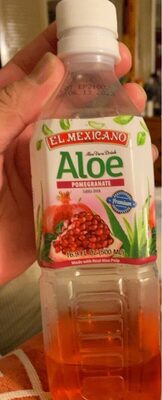
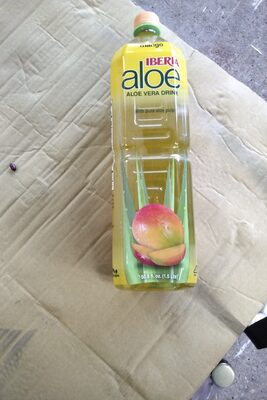
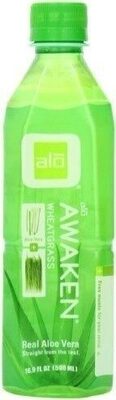
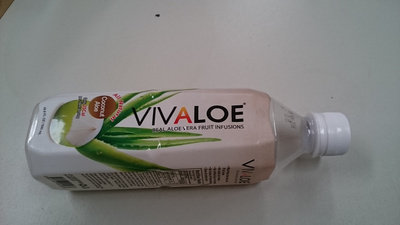
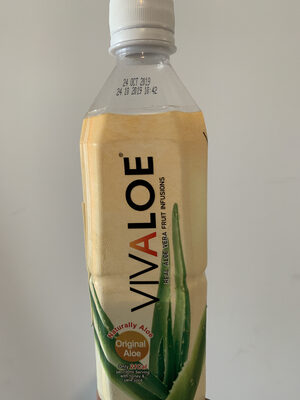
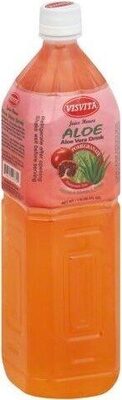
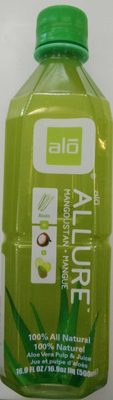
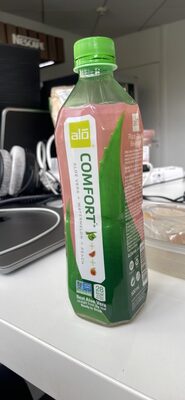
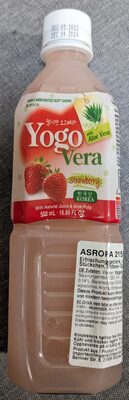
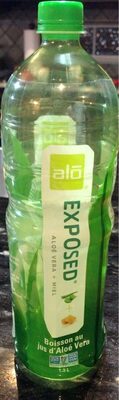
Foods that contain Aloe Vera Pulp
Compare products →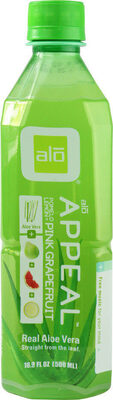
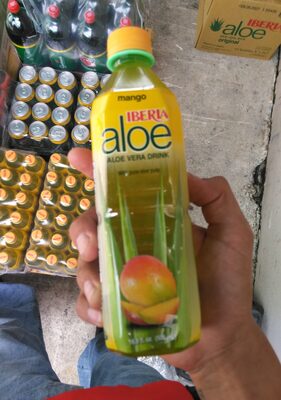
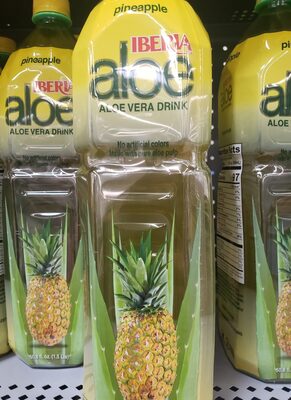
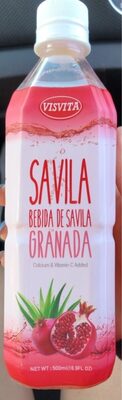
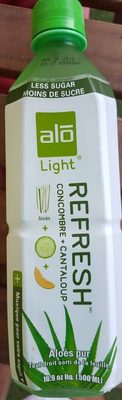
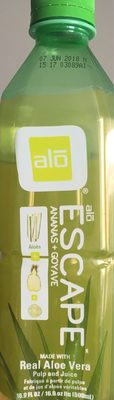
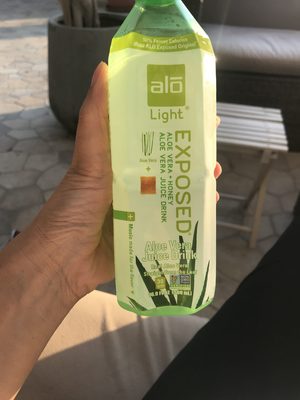
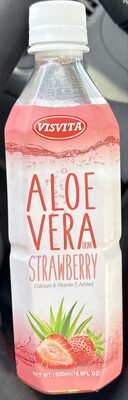
Auto-generated content. This description was generated automatically and is pending editorial review. Inaccuracies are possible. Found a mistake? Contact us.