Aloe Vera Pulps
Auto-generated content. This description was generated automatically and is pending editorial review. Inaccuracies are possible. Found a mistake? Contact us.
What it is
Aloe vera pulps are the inner gel of the aloe vera plant's leaves. The plant is a succulent native to arid regions of Africa, but is now grown worldwide. The gel is typically harvested by hand and processed to remove the outer rind and any latex, then purified and often chopped or blended.
Why it's used
Aloe vera pulps are often added to foods and beverages for their texture and mild flavor. They are commonly found in drinks, yogurts, and desserts, where they can provide a chewy or gelatinous element. Manufacturers may also add them for perceived health benefits or as a source of fiber.
Health notes
In the U.S., aloe vera gel intended for consumption is generally recognized as safe (GRAS) by the FDA when used as intended. The WHO and EFSA have evaluated aloe vera, but specific evaluations for the pulped gel in food are not widely publicized. Some studies suggest potential benefits for digestion and skin health, but more research is needed to confirm these effects. The latex of the aloe plant, which is not typically present in the pulped gel, has been associated with laxative effects and is not approved for food use.
Allergen info
Aloe vera is not one of the nine major allergens identified by the FDA. It does not contain gluten.
Products containing Aloe Vera Pulps
Compare products →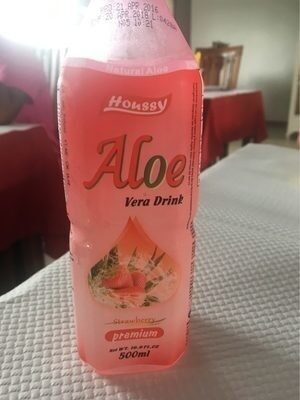 HONSSY
Premium Strawberry Aloe Vera Drink, Strawberry Aloe Vera
High in added sugars — 50% DV per serving
20kcal
0Protein
0Fat
5Carbs
HOUSSY
Original Premium Natural Aloe Vera Drink, Original
High in added sugars — 24% DV per serving
21kcal
0Protein
0Fat
5Carbs
Wang Globalnet
Aloe Vera Drink, Mango
30kcal
0Protein
0Fat
7.2Carbs
Wang Globalnet
Drink, Aloe Pomegranate
28kcal
0Protein
0Fat
6.8Carbs
Eden Tropics Inc.
Puraloe, Aloe Vera With Pulp
41kcal
0Protein
0Fat
10Carbs
HONSSY
Premium Strawberry Aloe Vera Drink, Strawberry Aloe Vera
High in added sugars — 50% DV per serving
20kcal
0Protein
0Fat
5Carbs
HOUSSY
Original Premium Natural Aloe Vera Drink, Original
High in added sugars — 24% DV per serving
21kcal
0Protein
0Fat
5Carbs
Wang Globalnet
Aloe Vera Drink, Mango
30kcal
0Protein
0Fat
7.2Carbs
Wang Globalnet
Drink, Aloe Pomegranate
28kcal
0Protein
0Fat
6.8Carbs
Eden Tropics Inc.
Puraloe, Aloe Vera With Pulp
41kcal
0Protein
0Fat
10Carbs
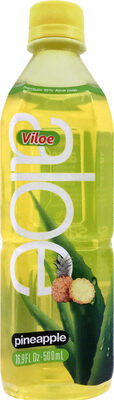 A Grade Trading, (USA) Ltd.
Aloe Vera Juice Drink, Pineapple, Pineapple
28kcal
0Protein
0Fat
6.8Carbs
A Grade Trading, (USA) Ltd.
Aloe Vera Juice Drink, Pineapple, Pineapple
28kcal
0Protein
0Fat
6.8Carbs