Ancho Chiles
What is Ancho Chiles?
Ancho chiles are dried poblano peppers. Poblanos are mild, dark green peppers grown in Mexico and the southwestern United States. When dried, they turn a dark reddish-brown and develop a smoky, slightly sweet flavor.
Is Ancho Chiles vegan?
Ancho Chiles is not animal-derived. Products that contain it can still include other animal-derived ingredients, so check the full ingredient list.
Is Ancho Chiles gluten-free?
They do not contain gluten.
Is Ancho Chiles a major allergen?
Ancho chiles are not derived from any of the nine FDA major allergens.
What is Ancho Chiles used for?
Ancho chiles are used to add a mild, smoky, and slightly fruity flavor to foods.
Is Ancho Chiles safe?
Ancho chiles are generally recognized as safe (GRAS) by the FDA as a food ingredient.
Why it's used
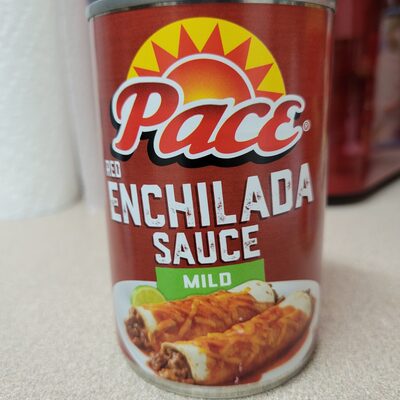
Ancho chiles are used to add a mild, smoky, and slightly fruity flavor to foods. They are often ground into a powder or used whole in cooking. You can find them in seasoning mixes, sauces, marinades, and rubs, especially in Mexican and Southwestern cuisine.
Health notes
Ancho chiles are generally recognized as safe (GRAS) by the FDA as a food ingredient. They are a source of vitamins and antioxidants. The Joint FAO/WHO Expert Committee on Food Additives (JECFA) has evaluated chili peppers, and EFSA has also reviewed capsaicinoids, the compounds that give peppers their heat. Evidence suggests capsaicinoids may have some health benefits, but more research is needed.
Allergen info
Ancho chiles are not derived from any of the nine FDA major allergens. They do not contain gluten.
Foods that contain Ancho Chiles
Compare products →
Auto-generated content. This description was generated automatically and is pending editorial review. Inaccuracies are possible. Found a mistake? Contact us.