Ancient Seabed Salt
What is Ancient Seabed Salt?
Ancient seabed salt is a type of salt that comes from underground deposits formed by ancient oceans that have long since evaporated. It is mined from these geological formations, often containing a variety of minerals in addition to sodium chloride.
Is Ancient Seabed Salt vegan?
Ancient Seabed Salt is not animal-derived. Products that contain it can still include other animal-derived ingredients, so check the full ingredient list.
Is Ancient Seabed Salt a major allergen?
Not a major allergen.
What is Ancient Seabed Salt used for?
Like other salts, ancient seabed salt is primarily used as a flavor enhancer to improve the taste of foods.
Is Ancient Seabed Salt safe?
Salt (sodium chloride), the primary component of ancient seabed salt, is generally recognized as safe (GRAS) by the U.S. Food and Drug Administration (FDA).
Why it's used
Like other salts, ancient seabed salt is primarily used as a flavor enhancer to improve the taste of foods. It also acts as a preservative, helping to extend the shelf life of various products. It is found in a wide range of packaged foods, including nut and seed butters.
Health notes
Salt (sodium chloride), the primary component of ancient seabed salt, is generally recognized as safe (GRAS) by the U.S. Food and Drug Administration (FDA). While salt is essential for human health, consuming too much sodium can be a concern for some individuals. The FDA Daily Value for sodium is 2,300 mg. JECFA has evaluated sodium chloride and established an acceptable daily intake.
Allergen info
Not a major allergen.
Foods that contain Ancient Seabed Salt
Compare products →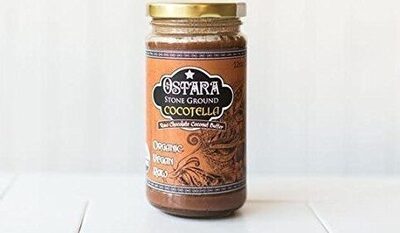
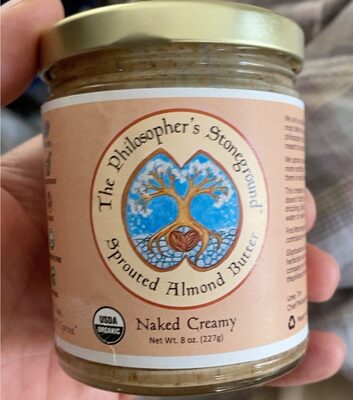
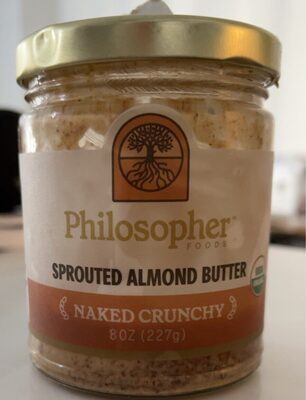
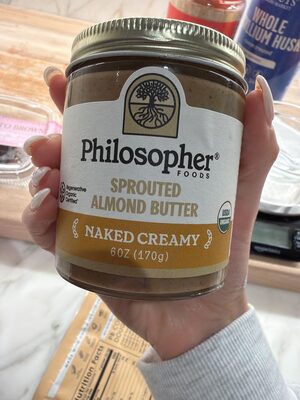 Philosopher Foods
Naked Creamy Sprouted Almond Butter, Naked Creamy
571kcal
21.4Protein
50Fat
—Carbs
Learn more
Auto-generated content. This description was generated automatically and is pending editorial review. Inaccuracies are possible. Found a mistake? Contact us.