And Carrots
This entry is a label phrase. See the main ingredient page: Carrots.
What is And Carrots?
Carrots are root vegetables, typically orange in color, though other colors like purple, red, yellow, and white also exist. They are a good source of beta-carotene, fiber, and vitamin K. Carrots can be eaten raw, cooked, or juiced.
Is And Carrots vegan?
And Carrots is not animal-derived. Products that contain it can still include other animal-derived ingredients, so check the full ingredient list.
Is And Carrots gluten-free?
Carrots are not one of the 9 major FDA allergens and do not contain gluten.
What is And Carrots used for?
Carrots are used in a wide variety of dishes for their natural sweetness and texture.
Is And Carrots safe?
Carrots are recognized as safe (GRAS) by the FDA.
Why it's used
Carrots are used in a wide variety of dishes for their natural sweetness and texture. They are often included in frozen vegetable blends, savory dishes like burgers and patties, and even in some fruit drinks for added flavor and color. Their versatility makes them a popular ingredient in both sweet and savory applications.
Health notes
Carrots are recognized as safe (GRAS) by the FDA. They are a good source of beta-carotene, which the body converts to vitamin A, important for vision and immune function. While generally considered healthy, excessive consumption of beta-carotene can lead to carotenemia, a harmless orange discoloration of the skin. Regulatory bodies like EFSA have evaluated carrots and found no safety concerns at typical dietary levels.
Allergen info
Carrots are not one of the 9 major FDA allergens and do not contain gluten.
Foods that contain And Carrots
Compare products →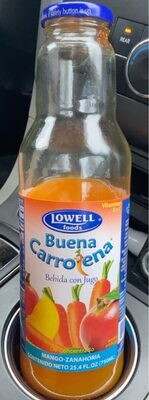
Auto-generated content. This description was generated automatically and is pending editorial review. Inaccuracies are possible. Found a mistake? Contact us.