And Glucona-delta-lactone
Auto-generated content. This description was generated automatically and is pending editorial review. Inaccuracies are possible. Found a mistake? Contact us.
What it is
Glucono delta-lactone (GDL) is a naturally occurring compound that is a solid form of gluconic acid. It is made by drying gluconic acid, which is produced by fermenting glucose, often from corn or other plant sources. GDL slowly breaks down into gluconic acid when exposed to water, creating a mild, gradual acidic effect.
Why it's used
Manufacturers use GDL as an acidulant, a leavening agent, and a curing agent in processed meats. It provides a slow-release acidity that helps to develop color and flavor in cured meats and can also act as a tenderizer. It is commonly found in sausages, cured meats, and some baked goods.
Health notes
In the United States, glucono delta-lactone is generally recognized as safe (GRAS) by the FDA for use as a food additive. It is metabolized by the body as a carbohydrate. International bodies like JECFA and EFSA have evaluated GDL and have not set a numeric acceptable daily intake, indicating it is considered safe at typical consumption levels. There are no significant health controversies associated with its use.
Allergen info
Glucono delta-lactone is not derived from any of the FDA's major allergens and does not contain gluten.
Products containing And Glucona-delta-lactone
Compare products →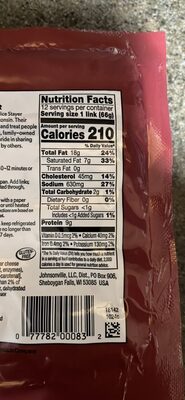 Johnsonville Sausage, L.L.C.
Jalapeno Cheddar Smoked Sausage, Jalapeno Cheddar
348kcal
13.6Protein
28.8Fat
4.5Carbs
Johnsonville Sausage, L.L.C.
Jalapeno Cheddar Smoked Sausage, Jalapeno Cheddar
348kcal
13.6Protein
28.8Fat
4.5Carbs
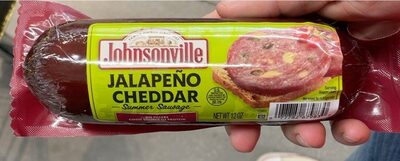 Johnsonville Sausage, L.L.C.
Jalapeno Cheddar Summer Sausage, Jalapeno Cheddar
321kcal
17.9Protein
26.8Fat
1.8Carbs
Tyson Foods Inc.
Steak-EZE Redi-Steak Buffalo Chicken Philly Style Slices
116kcal
13.4Protein
4.6Fat
5.2Carbs
Johnsonville Sausage, L.L.C.
Jalapeno Cheddar Summer Sausage, Jalapeno Cheddar
321kcal
17.9Protein
26.8Fat
1.8Carbs
Tyson Foods Inc.
Steak-EZE Redi-Steak Buffalo Chicken Philly Style Slices
116kcal
13.4Protein
4.6Fat
5.2Carbs
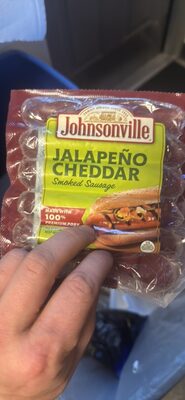 Johnsonville Sausage, L.L.C.
Jalapeno Cheddar Smoked Sausage, Jalapeno Cheddar
High in sodium — 23% DV per serving
High in saturated fat — 30% DV per serving
348kcal
13.6Protein
28.8Fat
4.5Carbs
Johnsonville Sausage, L.L.C.
Jalapeno Cheddar Smoked Sausage, Jalapeno Cheddar
High in sodium — 23% DV per serving
High in saturated fat — 30% DV per serving
348kcal
13.6Protein
28.8Fat
4.5Carbs