And Less Than 2% Natural & Artificial Flavors
Auto-generated content. This description was generated automatically and is pending editorial review. Inaccuracies are possible. Found a mistake? Contact us.
What it is
This phrase indicates that a food product contains both natural and artificial flavoring substances. Natural flavors are derived from plant or animal sources, while artificial flavors are created synthetically. Both are used to impart specific tastes and aromas to food.
Why it's used
Manufacturers add natural and artificial flavors to enhance or create desirable taste profiles in a wide range of products, including beverages, baked goods, dairy products, and snacks. They are used to mimic fruit, spice, or other complex flavors.
Health notes
Both natural and artificial flavors are generally recognized as safe (GRAS) by the FDA when used as intended. Regulatory bodies like the FDA and EFSA continuously review the safety of food ingredients. While generally considered safe, some individuals may have sensitivities to specific flavoring compounds.
Allergen info
Not a major allergen. However, the source of natural flavors can occasionally be from major allergens like milk, soy, or wheat, though these are typically highly purified.
Products containing And Less Than 2% Natural & Artificial Flavors
Compare products →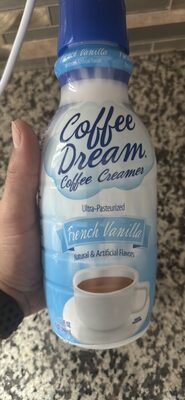 HP Hood LLC
French Vanilla Ultra-Pasteurized, French Vanilla
200kcal
0Protein
6.7Fat
33.3Carbs
HP Hood LLC
French Vanilla Ultra-Pasteurized, French Vanilla
200kcal
0Protein
6.7Fat
33.3Carbs
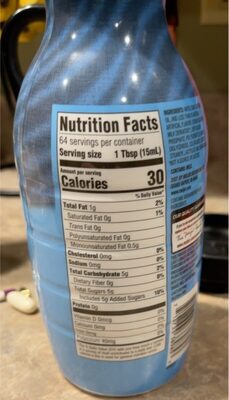 Meijer, Inc.
French Vanilla Coffee Creamer, French Vanilla
200kcal
0Protein
6.7Fat
33.3Carbs
Meijer, Inc.
French Vanilla Coffee Creamer, French Vanilla
200kcal
0Protein
6.7Fat
33.3Carbs
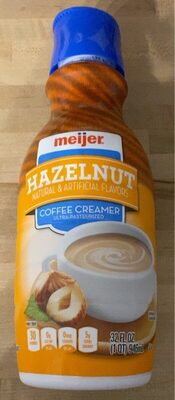 Meijer, Inc.
Hazelnut Coffee Creamer, Hazelnut
200kcal
0Protein
6.7Fat
33.3Carbs
Meijer, Inc.
White Chocolate Mocha Coffee Creamer, White Chocolate Mocha
200kcal
0Protein
6.7Fat
33.3Carbs
Meijer, Inc.
Hazelnut Coffee Creamer, Hazelnut
200kcal
0Protein
6.7Fat
33.3Carbs
Meijer, Inc.
White Chocolate Mocha Coffee Creamer, White Chocolate Mocha
200kcal
0Protein
6.7Fat
33.3Carbs
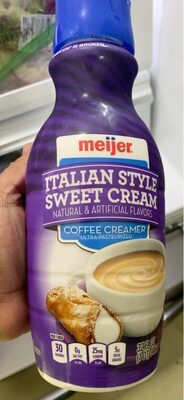 Meijer, Inc.
Italian Style Sweet Cream Coffee Creamer, Italian Style Sweet Cream
200kcal
0Protein
6.7Fat
33.3Carbs
Meijer, Inc.
Italian Style Sweet Cream Coffee Creamer, Italian Style Sweet Cream
200kcal
0Protein
6.7Fat
33.3Carbs