And Soy Lecithin - An Emulsifier
Auto-generated content. This description was generated automatically and is pending editorial review. Inaccuracies are possible. Found a mistake? Contact us.
What it is
Soy lecithin is a fatty substance derived from soybeans. It is a byproduct of soybean oil production and is typically processed using solvents like hexane, though hexane-free methods are also available. It's a mixture of phospholipids, which are fats that contain phosphate.
Why it's used
Manufacturers use soy lecithin primarily as an emulsifier, helping to blend ingredients that don't normally mix, like oil and water. It also acts as a stabilizer and can improve texture and shelf life. You'll find it in a wide range of processed foods, including baked goods, chocolate, dairy products, and dressings.
Health notes
In the U.S., soy lecithin is generally recognized as safe (GRAS) by the FDA. It is widely used and considered safe at typical consumption levels. International bodies like the European Food Safety Authority (EFSA) have also evaluated soy lecithin, and it is approved for use in the EU. While some people have concerns about hexane used in processing, studies on soy lecithin at typical dietary levels have not shown adverse health effects.
Allergen info
Soy lecithin is derived from soy, which is one of the nine major allergens recognized by the FDA. Gluten is not present in soy lecithin.
Products containing And Soy Lecithin - An Emulsifier
Compare products →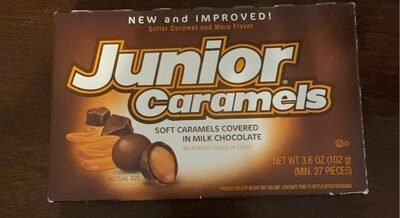 Tootsie Roll Industries Inc.
Caramels, Softer Caramel
High in added sugars — 32% DV per serving
448kcal
3.5Protein
13.8Fat
79.3Carbs
Tootsie Roll Industries Inc.
Soft Caramels Covered In Milk Chocolate, Caramels
High in added sugars — 32% DV per serving
448kcal
3.5Protein
13.8Fat
79.3Carbs
Russell Stover Candies Inc.
Caramel Eggs Covered In Milk Chocolate, Caramel Eggs
High in saturated fat — 22% DV per serving
500kcal
3.6Protein
21.4Fat
67.9Carbs
Russell Stover Candies Inc.
Pecan Delight Santa Covered In Milk Chocolate, Pecan Delight
High in saturated fat — 20% DV per serving
536kcal
3.6Protein
32.1Fat
60.7Carbs
Russell Stover Candies Inc.
Almonds & Caramel In Milk Chocolate Delight, Almonds & Caramel
High in saturated fat — 40% DV per serving
509kcal
7.0Protein
28.1Fat
59.6Carbs
Tootsie Roll Industries Inc.
Caramels, Softer Caramel
High in added sugars — 32% DV per serving
448kcal
3.5Protein
13.8Fat
79.3Carbs
Tootsie Roll Industries Inc.
Soft Caramels Covered In Milk Chocolate, Caramels
High in added sugars — 32% DV per serving
448kcal
3.5Protein
13.8Fat
79.3Carbs
Russell Stover Candies Inc.
Caramel Eggs Covered In Milk Chocolate, Caramel Eggs
High in saturated fat — 22% DV per serving
500kcal
3.6Protein
21.4Fat
67.9Carbs
Russell Stover Candies Inc.
Pecan Delight Santa Covered In Milk Chocolate, Pecan Delight
High in saturated fat — 20% DV per serving
536kcal
3.6Protein
32.1Fat
60.7Carbs
Russell Stover Candies Inc.
Almonds & Caramel In Milk Chocolate Delight, Almonds & Caramel
High in saturated fat — 40% DV per serving
509kcal
7.0Protein
28.1Fat
59.6Carbs