Anise Seed Oil
Auto-generated content. This description was generated automatically and is pending editorial review. Inaccuracies are possible. Found a mistake? Contact us.
What it is
Anise seed oil is a fragrant essential oil extracted from the seeds of the Pimpinella anisum plant. It has a distinct licorice-like aroma and flavor due to its high concentration of anethole. The oil is typically obtained through steam distillation of the dried seeds.
Why it's used
Anise seed oil is primarily used as a flavoring agent in foods and beverages. Its strong, sweet flavor makes it a popular choice for candies, baked goods, and liqueurs. It can also be found in some savory dishes and as a component in spice blends.
Health notes
In the U.S., anise seed oil is generally recognized as safe (GRAS) by the FDA for use as a flavoring. Regulatory bodies like the Joint FAO/WHO Expert Committee on Food Additives (JECFA) and the European Food Safety Authority (EFSA) have evaluated anise and its constituents. While generally considered safe at typical consumption levels, some studies have explored potential effects, though evidence is mixed and not conclusive for significant health impacts at normal dietary intake.
Allergen info
Anise seed oil is not derived from any of the nine major allergens recognized by the FDA. It does not contain gluten.
Products containing Anise Seed Oil
Compare products →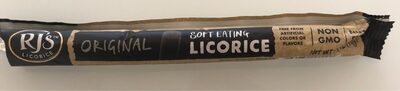 Windberg Enterprises, Inc.
Original Soft Eating Licorice, Original
High in added sugars — 38% DV per serving
350kcal
2.5Protein
2.5Fat
77.5Carbs
Windberg Enterprises, Inc.
All Sorts Soft Eating Licorice, All Sorts
High in added sugars — 38% DV per serving
367kcal
3.3Protein
5Fat
80Carbs
Windberg Enterprises, Inc.
Original Soft Eating Licorice, Original
High in added sugars — 38% DV per serving
350kcal
2.5Protein
2.5Fat
77.5Carbs
Windberg Enterprises, Inc.
All Sorts Soft Eating Licorice, All Sorts
High in added sugars — 38% DV per serving
367kcal
3.3Protein
5Fat
80Carbs
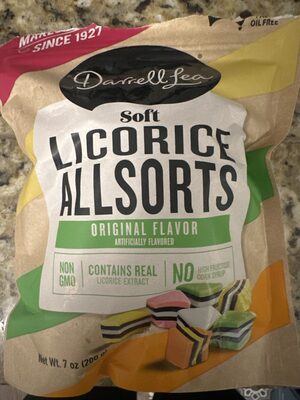 G.D. Roberts & Company Inc
Original Flavor Soft Licorice Allsorts
High in added sugars — 36% DV per serving
367kcal
3.3Protein
3.3Fat
80Carbs
Lehi Valley Trading Company, Inc.
Australian Ridgy-Didge Licorice, Australian
276kcal
3.5Protein
3.5Fat
58.6Carbs
Schnuck Markets, Inc.
Classic Black Australian Licorice, Classic Black
High in added sugars — 24% DV per serving
333kcal
3.3Protein
3.3Fat
73.3Carbs
G.D. Roberts & Company Inc
Traditional Black Twists Candy
High in added sugars — 22% DV per serving
333kcal
3.3Protein
1.7Fat
73.3Carbs
G.D. Roberts & Company Inc
Milk Chocolate Licorice Bites
High in added sugars — 22% DV per serving
400kcal
3.3Protein
13.3Fat
66.7Carbs
G.D. Roberts & Company Inc
Original Flavor Soft Licorice Allsorts
High in added sugars — 36% DV per serving
367kcal
3.3Protein
3.3Fat
80Carbs
Lehi Valley Trading Company, Inc.
Australian Ridgy-Didge Licorice, Australian
276kcal
3.5Protein
3.5Fat
58.6Carbs
Schnuck Markets, Inc.
Classic Black Australian Licorice, Classic Black
High in added sugars — 24% DV per serving
333kcal
3.3Protein
3.3Fat
73.3Carbs
G.D. Roberts & Company Inc
Traditional Black Twists Candy
High in added sugars — 22% DV per serving
333kcal
3.3Protein
1.7Fat
73.3Carbs
G.D. Roberts & Company Inc
Milk Chocolate Licorice Bites
High in added sugars — 22% DV per serving
400kcal
3.3Protein
13.3Fat
66.7Carbs