Anti-sticking
Auto-generated content. This description was generated automatically and is pending editorial review. Inaccuracies are possible. Found a mistake? Contact us.
What it is
Anti-sticking agents are substances added to foods to prevent ingredients from clumping together. They are often derived from natural sources like starches or minerals, or can be synthesized.
Why it's used
Manufacturers add anti-sticking agents to keep powders from caking and to prevent sticky foods like candies and processed meats from adhering to packaging or processing equipment. They are commonly found in candies, baked goods, popcorn, and processed meats like sausages and hot dogs.
Health notes
Anti-sticking agents are generally recognized as safe (GRAS) by the FDA for their intended use. Regulatory bodies like JECFA and EFSA have evaluated various anti-sticking agents. At typical consumption levels, they are not associated with adverse health effects. Evidence does not suggest significant health concerns related to their use in food.
Allergen info
Anti-sticking agents are not derived from any of the 9 FDA major allergens. They do not contain gluten.
Products containing Anti-sticking
Compare products →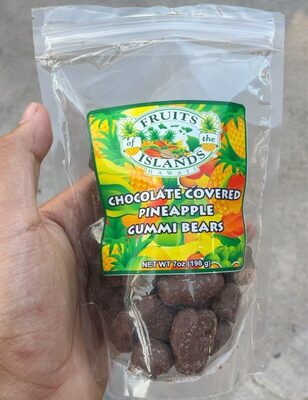 Hawaiian King Candies Ltd.
Chocolate Covered Pineapple Gummi Bears, Chocolate Covered Pineapple
High in saturated fat — 35% DV per serving
495kcal
4.8Protein
26.2Fat
59.5Carbs
Hawaiian King Candies Ltd.
Chocolate Covered Pineapple Gummi Bears, Chocolate Covered Pineapple
High in saturated fat — 35% DV per serving
495kcal
4.8Protein
26.2Fat
59.5Carbs