Apricot Pulp
Auto-generated content. This description was generated automatically and is pending editorial review. Inaccuracies are possible. Found a mistake? Contact us.
What it is
Apricot pulp is the pureed flesh of ripe apricots. It is made by washing, pitting, and then processing the fruit into a smooth or slightly textured pulp. It retains much of the fruit's natural flavor, color, and nutrients.
Why it's used
Manufacturers use apricot pulp to add natural fruit flavor, sweetness, and color to foods. It is commonly found in fruit juices, nectars, jams, jellies, baked goods like cookies and pastries, and fruit-flavored yogurts. It can also act as a natural thickener.
Health notes
Apricot pulp is generally recognized as safe (GRAS) by the FDA when used as a food ingredient. It is a source of vitamins, minerals, and fiber. International bodies like JECFA have evaluated apricots and their components, but specific regulatory limits for apricot pulp as an additive are not typically set. At typical consumption levels, it is considered a healthy part of a balanced diet.
Allergen info
Apricot pulp is not derived from any of the 9 FDA major allergens. It does not contain gluten.
Products containing Apricot Pulp
Compare products →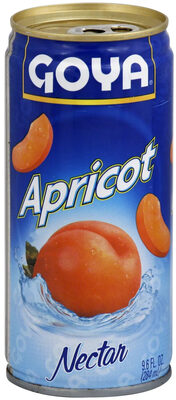 Goya Foods, Inc.
Nectar, Apricot
63kcal
0Protein
0Fat
15.5Carbs
Goya Foods, Inc.
Diet Nectar, Apricot
18kcal
0.3Protein
0Fat
4.2Carbs
Target Stores
Assorted Cookies, Assorted
533kcal
3.3Protein
30Fat
60Carbs
Goya Foods, Inc.
Apricot Nectar, Apricot
High in added sugars — 40% DV per serving
54kcal
0.4Protein
0Fat
13.3Carbs
Goya Foods, Inc.
Nectar, Apricot
63kcal
0Protein
0Fat
15.5Carbs
Goya Foods, Inc.
Diet Nectar, Apricot
18kcal
0.3Protein
0Fat
4.2Carbs
Target Stores
Assorted Cookies, Assorted
533kcal
3.3Protein
30Fat
60Carbs
Goya Foods, Inc.
Apricot Nectar, Apricot
High in added sugars — 40% DV per serving
54kcal
0.4Protein
0Fat
13.3Carbs