Aqueous Natural Smoke
What is Aqueous Natural Smoke?
Aqueous Natural Smoke is a liquid flavoring made from smoke that has been condensed from burning wood. The smoke is passed through water, which captures the flavor compounds and aroma. This process creates a liquid extract that imparts a smoky taste and smell to foods without direct exposure to burning wood.
Is Aqueous Natural Smoke a major allergen?
Not a major allergen.
What is Aqueous Natural Smoke used for?
Manufacturers use Aqueous Natural Smoke to add a smoky flavor to foods, mimicking the taste of grilling or smoking.
Is Aqueous Natural Smoke safe?
Aqueous Natural Smoke is generally recognized as safe (GRAS) by the FDA for use as a flavoring agent.
Why it's used
Manufacturers use Aqueous Natural Smoke to add a smoky flavor to foods, mimicking the taste of grilling or smoking. It is often used in processed meats, sauces, snacks, and seafood to enhance their savory profile. It provides a consistent smoky taste that is easier to control than traditional smoking methods.
Health notes
Aqueous Natural Smoke is generally recognized as safe (GRAS) by the FDA for use as a flavoring agent. It is considered a natural flavoring and does not have specific regulatory limits on its use. While some studies have investigated compounds found in smoke, typical consumption levels of foods flavored with aqueous smoke are not associated with adverse health effects. JECFA and EFSA have evaluated smoke flavorings, and their use is permitted in many regions.
Allergen info
Not a major allergen.
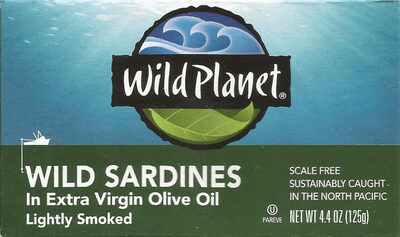
Foods that contain Aqueous Natural Smoke
Compare products →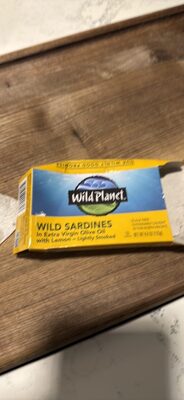
Learn more
Auto-generated content. This description was generated automatically and is pending editorial review. Inaccuracies are possible. Found a mistake? Contact us.