Artifical Vanilla Flavor
Auto-generated content. This description was generated automatically and is pending editorial review. Inaccuracies are possible. Found a mistake? Contact us.
What it is
Artificial vanilla flavor is a synthetic compound designed to mimic the taste and aroma of natural vanilla extract. It is typically made from chemicals like vanillin, which can be synthesized from sources such as wood pulp or petroleum byproducts. This artificial version provides a consistent and cost-effective way to add vanilla flavor to foods.
Why it's used
Manufacturers use artificial vanilla flavor to impart a sweet, creamy vanilla taste to a wide variety of food products. It is commonly found in baked goods, ice cream, candies, and beverages. Its primary function is to enhance the overall flavor profile, making products more appealing to consumers.
Health notes
Artificial vanilla flavor, primarily vanillin, is generally recognized as safe (GRAS) by the FDA for use in food. Regulatory bodies like JECFA have evaluated vanillin and established acceptable daily intake levels. At typical consumption levels, it is not associated with adverse health effects. While some studies have explored potential effects, the scientific consensus, based on current evidence, does not link moderate consumption of artificial vanilla flavor to significant health risks.
Allergen info
Artificial vanilla flavor is not derived from any of the nine FDA major allergens. It does not contain gluten.
Products containing Artifical Vanilla Flavor
Compare products →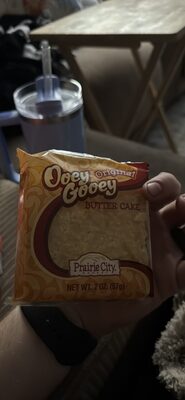 Prairie City Bakery Company
Original Ooey Gooey Butter Cake, Original
High in saturated fat — 22% DV per serving
386kcal
3.5Protein
15.8Fat
57.9Carbs
Wilton Industries Inc.
Decorating Kit
High in added sugars — 28% DV per serving
353kcal
0Protein
0Fat
82.3Carbs
Wal-Mart Stores, Inc.
Decorating Kit
High in added sugars — 20% DV per serving
375kcal
0Protein
0Fat
100Carbs
Wal-Mart Stores, Inc.
Cupcake Decorating Kit
375kcal
0Protein
0Fat
75Carbs
Prairie City Bakery Company
Original Ooey Gooey Butter Cake, Original
High in saturated fat — 22% DV per serving
386kcal
3.5Protein
15.8Fat
57.9Carbs
Wilton Industries Inc.
Decorating Kit
High in added sugars — 28% DV per serving
353kcal
0Protein
0Fat
82.3Carbs
Wal-Mart Stores, Inc.
Decorating Kit
High in added sugars — 20% DV per serving
375kcal
0Protein
0Fat
100Carbs
Wal-Mart Stores, Inc.
Cupcake Decorating Kit
375kcal
0Protein
0Fat
75Carbs