Artificial Color F
Auto-generated content. This description was generated automatically and is pending editorial review. Inaccuracies are possible. Found a mistake? Contact us.
What it is
Artificial colors are synthetic substances created in laboratories. They are typically derived from petroleum and are designed to impart specific hues to food products.
Why it's used
Manufacturers add artificial colors to enhance the visual appeal of foods and beverages, restore color lost during processing, or provide a consistent appearance. They are commonly found in powdered drinks, fruit and vegetable juices, and fruit drinks.
Health notes
Artificial colors, including those like "Artificial Color F," are food additives that must be approved by the FDA before they can be used in food. Some artificial colors have been linked to hyperactivity in sensitive children, though scientific evidence on this topic is mixed. The FDA has reviewed the scientific evidence and concluded that artificial colors are safe for the general population at current consumption levels, but acknowledges that some children may be sensitive to them. In April 2025, the FDA announced a plan to phase out petroleum-based synthetic dyes, which include several common artificial colors. JECFA has evaluated many artificial colors and set acceptable daily intakes for some, while EFSA has also conducted safety assessments, leading to different regulatory statuses in various regions.
Allergen info
Not a major allergen.
Products containing Artificial Color F
Compare products →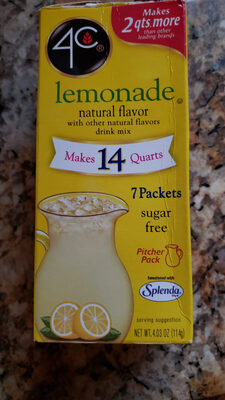 4C Foods Corp.
Drink Mix
0kcal
0Protein
0Fat
0Carbs
4C Foods Corp.
Fruit Punch Drink Mix, Fruit Punch
0kcal
0Protein
0Fat
0Carbs
4C Foods Corp.
Drink Mix
0kcal
0Protein
0Fat
0Carbs
4C Foods Corp.
Fruit Punch Drink Mix, Fruit Punch
0kcal
0Protein
0Fat
0Carbs
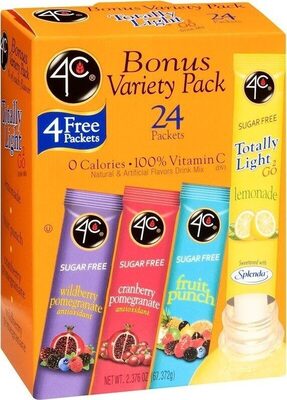 Sugar Free Drink Mix
0kcal
0Protein
0Fat
0Carbs
Sugar Free Drink Mix
0kcal
0Protein
0Fat
0Carbs
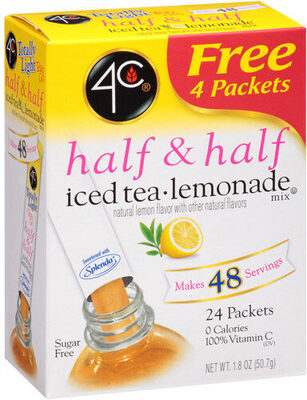 4C Foods Corp.
Half & Half Iced Tea Lemonade Mix, Natural Lemon
0kcal
0Protein
0Fat
0Carbs
4C Foods Corp.
Half & Half Iced Tea Lemonade Mix, Natural Lemon
0kcal
0Protein
0Fat
0Carbs