Artificial Colorings
What is Artificial Colorings?
Artificial colorings are substances made in laboratories or derived from non-natural sources. They are added to foods to give them a specific color or to enhance existing colors. These synthetic compounds are distinct from natural colors derived from plants, animals, or minerals.
Is Artificial Colorings vegan?
Artificial Colorings is not animal-derived. Products that contain it can still include other animal-derived ingredients, so check the full ingredient list.
Is Artificial Colorings a major allergen?
Not a major allergen.
What is Artificial Colorings used for?
Manufacturers add artificial colorings primarily to make foods more visually appealing and consistent in appearance.
Is Artificial Colorings safe?
In the US, the Food and Drug Administration (FDA) approves artificial colorings as food additives.
Why it's used
Manufacturers add artificial colorings primarily to make foods more visually appealing and consistent in appearance. They are commonly found in candies, baked goods, beverages, snacks, and processed foods to improve their aesthetic quality. Their function is purely cosmetic, not nutritional or preservative.
Health notes
In the US, the Food and Drug Administration (FDA) approves artificial colorings as food additives. In April 2025, the FDA announced a plan to phase out several petroleum-based synthetic dyes, including Red 40, Yellow 5, Yellow 6, Blue 1, Blue 2, Green 3, Citrus Red 2, and Orange B. Additionally, the FDA revoked the approval for Red 3 for food use in January 2025, with manufacturers having until January 2027 to comply. The FDA revoked Red 3 under the Delaney Clause because it caused cancer in male rats, though the FDA stated this finding is not relevant to human risk. Some studies have suggested a link between certain artificial food colorings and hyperactivity in some children, though evidence is mixed, and regulatory bodies like JECFA and EFSA have evaluated these colors with varying conclusions.
Allergen info
Not a major allergen. Artificial colorings are typically synthetic and not derived from the nine major food allergens.
Foods that contain Artificial Colorings
Compare products →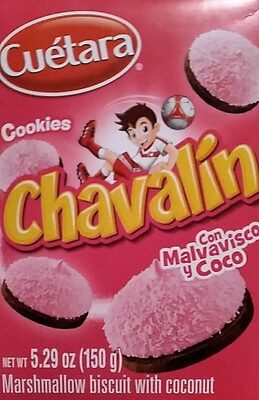
Learn more
Auto-generated content. This description was generated automatically and is pending editorial review. Inaccuracies are possible. Found a mistake? Contact us.