Artificial Flavor And Annatto
Auto-generated content. This description was generated automatically and is pending editorial review. Inaccuracies are possible. Found a mistake? Contact us.
What it is
Artificial flavors are compounds that mimic natural flavors but are created synthetically in a lab. They are designed to provide specific tastes and aromas to foods, often replicating fruit, spice, or other complex flavor profiles. The exact chemical composition can vary widely depending on the desired flavor.
Why it's used
Manufacturers use artificial flavors to enhance or impart specific tastes and smells in a wide range of food products. They are common in beverages, baked goods, candies, and dairy products, providing consistent and cost-effective flavor profiles. Annatto is a natural food coloring derived from the seeds of the achiote tree, used to impart yellow to orange hues.
Health notes
Artificial flavors are regulated by the FDA and are generally recognized as safe (GRAS) when used as intended. The FDA also regulates annatto as a color additive. Regulatory bodies like JECFA and EFSA have evaluated many artificial flavor compounds and annatto, generally finding them safe for consumption within typical dietary levels. While some individuals may report sensitivities, scientific evidence does not consistently link artificial flavors or annatto to adverse health effects at normal intake levels.
Allergen info
Artificial flavors are not derived from the major allergens. Annatto is not a major allergen. Neither contains gluten.
Products containing Artificial Flavor And Annatto
Compare products →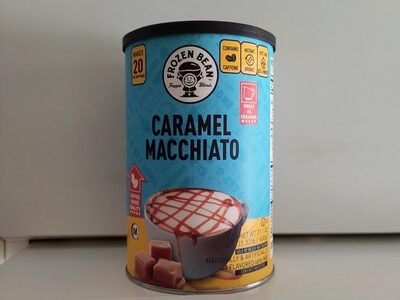 The Frozen Bean, Inc.
Caramel Macchiato Latte Mix, Caramel Macchiato
High in saturated fat — 22% DV per serving
High in added sugars — 28% DV per serving
467kcal
6.7Protein
16.7Fat
73.3Carbs
The Frozen Bean, Inc.
Frapple Mix, Birthday Cake
High in saturated fat — 35% DV per serving
High in added sugars — 38% DV per serving
450kcal
5Protein
20Fat
72.5Carbs
The Frozen Bean, Inc.
Bubble Gum, Frappe Mix
High in saturated fat — 45% DV per serving
High in added sugars — 36% DV per serving
225kcal
5Protein
22.5Fat
67.5Carbs
The Frozen Bean, Inc.
Cappuccino Mix, Caramel Macchiato
High in saturated fat — 20% DV per serving
High in added sugars — 22% DV per serving
480kcal
4Protein
18Fat
76Carbs
The Frozen Bean, Inc.
Caramel Macchiato Latte Mix, Caramel Macchiato
High in saturated fat — 22% DV per serving
High in added sugars — 28% DV per serving
467kcal
6.7Protein
16.7Fat
73.3Carbs
The Frozen Bean, Inc.
Frapple Mix, Birthday Cake
High in saturated fat — 35% DV per serving
High in added sugars — 38% DV per serving
450kcal
5Protein
20Fat
72.5Carbs
The Frozen Bean, Inc.
Bubble Gum, Frappe Mix
High in saturated fat — 45% DV per serving
High in added sugars — 36% DV per serving
225kcal
5Protein
22.5Fat
67.5Carbs
The Frozen Bean, Inc.
Cappuccino Mix, Caramel Macchiato
High in saturated fat — 20% DV per serving
High in added sugars — 22% DV per serving
480kcal
4Protein
18Fat
76Carbs
 The Frozen Bean, Inc.
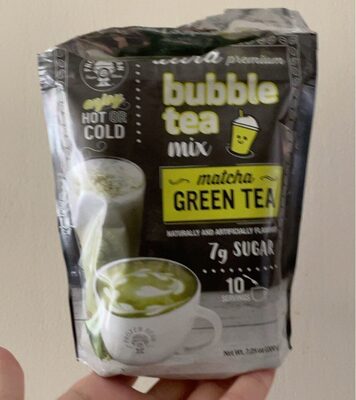
Matcha Green Tea Flavored Ultra Premium Bubble Tea Mix, Matcha Green Tea
450kcal
5Protein
17.5Fat
65Carbs
The Frozen Bean, Inc.
Matcha Green Tea Flavored Ultra Premium Bubble Tea Mix, Matcha Green Tea
450kcal
5Protein
17.5Fat
65Carbs
 The Frozen Bean, Inc.
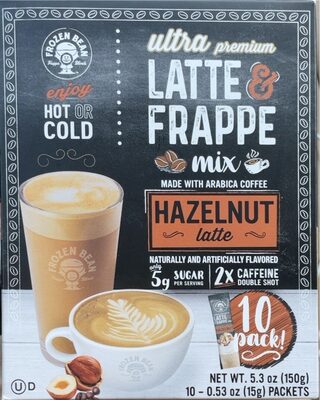
Hazelnut Latte & Frappe Mix Arabica Coffee, Hazelnut
467kcal
6.7Protein
23.3Fat
66.7Carbs
The Frozen Bean, Inc.
Cotton Candy
High in saturated fat — 20% DV per serving
High in added sugars — 52% DV per serving
400kcal
5Protein
11.2Fat
82.5Carbs
The Frozen Bean, Inc.
Hazelnut Latte & Frappe Mix Arabica Coffee, Hazelnut
467kcal
6.7Protein
23.3Fat
66.7Carbs
The Frozen Bean, Inc.
Cotton Candy
High in saturated fat — 20% DV per serving
High in added sugars — 52% DV per serving
400kcal
5Protein
11.2Fat
82.5Carbs