Artificial Flavour
Auto-generated content. This description was generated automatically and is pending editorial review. Inaccuracies are possible. Found a mistake? Contact us.
What it is
Artificial flavors are compounds that mimic natural flavors but are created synthetically in a lab. They are designed to provide specific tastes and aromas to foods and beverages. These compounds can be derived from various chemical sources, not necessarily from the natural source they imitate.
Why it's used
Manufacturers use artificial flavors to enhance or impart specific tastes, such as fruit, spice, or savory notes, in a wide range of products. They are commonly found in processed foods like candies, baked goods, beverages, and snacks where a consistent and strong flavor profile is desired.
Health notes
Artificial flavors are generally recognized as safe (GRAS) by the FDA when used as intended. Regulatory bodies like JECFA have evaluated many artificial flavor compounds, often establishing acceptable daily intakes. While generally considered safe in typical amounts, some individuals may report sensitivities, though scientific evidence for widespread adverse effects at normal consumption levels is limited. Research is ongoing, and some artificial flavors have faced scrutiny, but most are approved for use.
Allergen info
Artificial flavors are not derived from major allergens like milk, eggs, fish, shellfish, tree nuts, peanuts, wheat, soy, or sesame. They do not contain gluten.
Products containing Artificial Flavour
Compare products →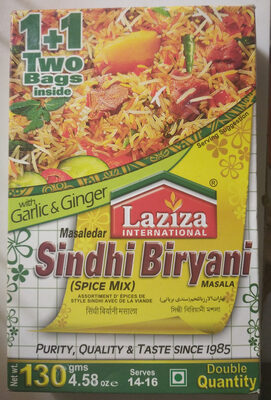 LAZIZA INTERNATIONAL
Sindhi Biryani Masala Spice Mix
375kcal
12.5Protein
12.5Fat
50Carbs
LAZIZA INTERNATIONAL
Delhi Pulao Biryani Spice Mix
500kcal
14.3Protein
21.4Fat
57.1Carbs
RODEO FOOD
Bumuka Cookies
333kcal
18.2Protein
15.2Fat
66.7Carbs
BRITANNIA
Premium Bake Punjabi Cookies
417kcal
6.7Protein
15Fat
66.7Carbs
LAZIZA INTERNATIONAL
Sindhi Biryani Masala Spice Mix
375kcal
12.5Protein
12.5Fat
50Carbs
LAZIZA INTERNATIONAL
Delhi Pulao Biryani Spice Mix
500kcal
14.3Protein
21.4Fat
57.1Carbs
RODEO FOOD
Bumuka Cookies
333kcal
18.2Protein
15.2Fat
66.7Carbs
BRITANNIA
Premium Bake Punjabi Cookies
417kcal
6.7Protein
15Fat
66.7Carbs
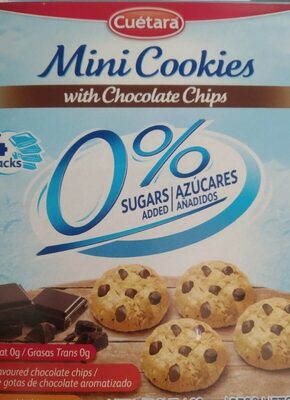 CUETARA
Mini Chocolate Chip Cookie
435kcal
6.7Protein
23.4Fat
66.9Carbs
CUETARA
Mini Chocolate Chip Cookie
435kcal
6.7Protein
23.4Fat
66.9Carbs