Artificial Food Color
Auto-generated content. This description was generated automatically and is pending editorial review. Inaccuracies are possible. Found a mistake? Contact us.
What it is
Artificial food colors are synthetic substances created in laboratories, primarily from petroleum. They are used to add or restore color to foods and beverages. Unlike natural colors, they do not come from plant, animal, or mineral sources.
Why it's used
Manufacturers add artificial food colors to make foods more visually appealing or to maintain a consistent appearance. They are commonly found in candies, baked goods, beverages, processed snacks, and some dairy products.
Health notes
In the United States, specific artificial food colors are approved by the FDA as food additives. The FDA revoked Red 3 for food use in January 2025, with manufacturers having until January 2027 to comply. In April 2025, the FDA announced a plan to phase out petroleum-based synthetic dyes, including Red 40, Yellow 5, Yellow 6, Blue 1, Blue 2, and Green 3. Some studies have suggested a link between artificial food colors and hyperactivity in some children, though evidence is mixed and not all studies have found a consistent effect. JECFA and EFSA have evaluated various individual artificial colors, with EFSA concluding in some cases that certain dyes may pose health concerns.
Allergen info
Not a major allergen.
Products containing Artificial Food Color
Compare products →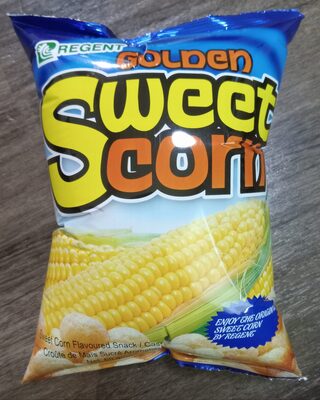 REGENT
Golden Sweet Corn
High in saturated fat — 30% DV per serving
500kcal
6.7Protein
23.3Fat
66.7Carbs
Shan Food Industries
Custard Powder, Strawberry
358kcal
10Protein
10Fat
47.5Carbs
REGENT
Golden Sweet Corn
High in saturated fat — 30% DV per serving
500kcal
6.7Protein
23.3Fat
66.7Carbs
Shan Food Industries
Custard Powder, Strawberry
358kcal
10Protein
10Fat
47.5Carbs
 Schnuck Markets, Inc.
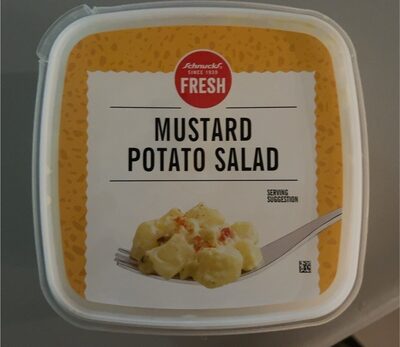
Mustard Potato Salad, Mustard Potato
High in sodium — 27% DV per serving
High in added sugars — 22% DV per serving
157kcal
2.1Protein
9.3Fat
21.4Carbs
Ron's Home Style Foods, Inc.
Mustard Potato Salad, Mustard Potato
High in sodium — 21% DV per serving
143kcal
1.4Protein
7.1Fat
19.3Carbs
Schnuck Markets, Inc.
Fresh Macaroni Salad
High in sodium — 33% DV per serving
207kcal
3.6Protein
10Fat
24.3Carbs
Ron's Home Style Foods, Inc.
Classic Potato Salads, Classic Potato
High in sodium — 23% DV per serving
200kcal
1.4Protein
13.6Fat
17.9Carbs
Schnuck Markets, Inc.
Mustard Potato Salad, Mustard Potato
High in sodium — 27% DV per serving
High in added sugars — 22% DV per serving
157kcal
2.1Protein
9.3Fat
21.4Carbs
Ron's Home Style Foods, Inc.
Mustard Potato Salad, Mustard Potato
High in sodium — 21% DV per serving
143kcal
1.4Protein
7.1Fat
19.3Carbs
Schnuck Markets, Inc.
Fresh Macaroni Salad
High in sodium — 33% DV per serving
207kcal
3.6Protein
10Fat
24.3Carbs
Ron's Home Style Foods, Inc.
Classic Potato Salads, Classic Potato
High in sodium — 23% DV per serving
200kcal
1.4Protein
13.6Fat
17.9Carbs
 Schnuck Markets, Inc.
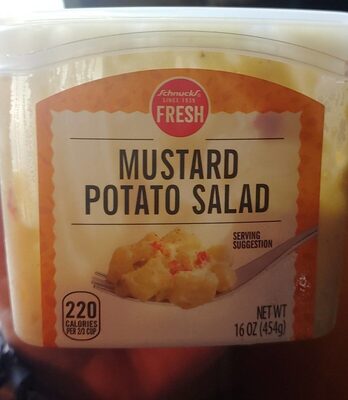
Mustard Potato Salad, Mustard
High in sodium — 27% DV per serving
157kcal
2.1Protein
9.3Fat
21.4Carbs
Schnuck Markets, Inc.
Macaroni Salad
High in sodium — 33% DV per serving
207kcal
3.6Protein
10Fat
24.3Carbs
Ron's Home Style Foods, Inc.
Deviled Egg Potato Salad, Deviled Egg Potato
High in saturated fat — 25% DV per serving
High in cholesterol — 49% DV per serving
243kcal
4.3Protein
20Fat
12.9Carbs
Schnuck Markets, Inc.
Mustard Potato Salad, Mustard
High in sodium — 27% DV per serving
157kcal
2.1Protein
9.3Fat
21.4Carbs
Schnuck Markets, Inc.
Macaroni Salad
High in sodium — 33% DV per serving
207kcal
3.6Protein
10Fat
24.3Carbs
Ron's Home Style Foods, Inc.
Deviled Egg Potato Salad, Deviled Egg Potato
High in saturated fat — 25% DV per serving
High in cholesterol — 49% DV per serving
243kcal
4.3Protein
20Fat
12.9Carbs
 Ron's Home Style Foods, Inc.
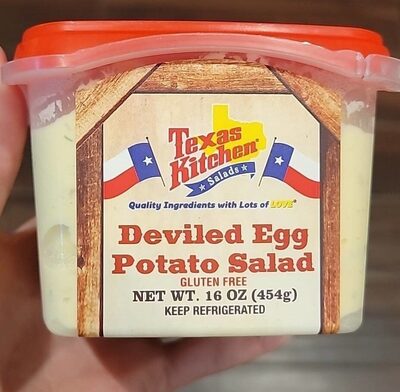
Deviled Egg Potato Salads, Deviled Egg Potato
High in saturated fat — 25% DV per serving
High in cholesterol — 49% DV per serving
29kcal
4.3Protein
20Fat
12.9Carbs
Ron's Home Style Foods, Inc.
Mustard Potato Salad, Mustard
High in sodium — 21% DV per serving
—kcal
1.4Protein
7.1Fat
19.3Carbs
Ron's Home Style Foods, Inc.
Deviled Egg Potato Salads, Deviled Egg Potato
High in saturated fat — 25% DV per serving
High in cholesterol — 49% DV per serving
29kcal
4.3Protein
20Fat
12.9Carbs
Ron's Home Style Foods, Inc.
Mustard Potato Salad, Mustard
High in sodium — 21% DV per serving
—kcal
1.4Protein
7.1Fat
19.3Carbs