Artificial Lake Colors
Auto-generated content. This description was generated automatically and is pending editorial review. Inaccuracies are possible. Found a mistake? Contact us.
What it is
Artificial lake colors are pigments made by combining a water-soluble synthetic dye with an insoluble metallic salt, most commonly aluminum hydroxide. This process creates a color that is insoluble in water, making it suitable for coloring products that contain fats or oils.
Why it's used
Manufacturers add artificial lake colors to provide vibrant and stable coloring to foods, especially those with low moisture or high fat content, where water-soluble dyes might bleed. They are commonly found in confections, coatings, baked goods, snacks, and dairy products.
Health notes
In the United States, artificial lake colors are regulated by the FDA as color additives, and they are derived from FDA-approved synthetic dyes. Some synthetic dyes, including those used to make lake colors, have been associated with hyperactivity in some children, though scientific evidence on this link remains mixed. The FDA announced in April 2025 a plan to phase out petroleum-based synthetic dyes, which include the primary dyes used to make artificial lake colors. JECFA and EFSA have evaluated many of the individual synthetic dyes used to create lake colors.
Allergen info
Not a major allergen.
Products containing Artificial Lake Colors
Compare products →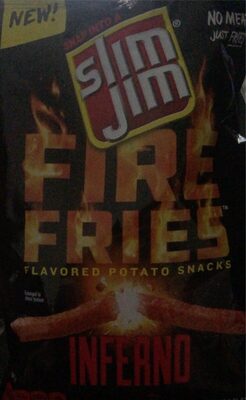 Conagra Foods-Snack Foods Group
Inferno Fire Fries Potato Snacks, Inferno
High in sodium — 22% DV per serving
500kcal
3.6Protein
25Fat
60.7Carbs
Conagra Foods-Snack Foods Group
Inferno Fire Fries Potato Snacks, Inferno
High in sodium — 22% DV per serving
500kcal
3.6Protein
25Fat
60.7Carbs
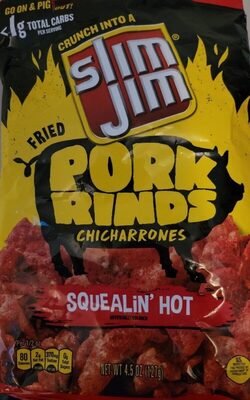 Conagra Foods-Snack Foods Group
Squealin' Hot Fried Pork Rinds Chicharrones, Squealin' Hot
571kcal
50Protein
35.7Fat
7.1Carbs
Conagra Foods-Snack Foods Group
Squealin' Hot Fried Pork Rinds Chicharrones, Squealin' Hot
571kcal
50Protein
35.7Fat
7.1Carbs
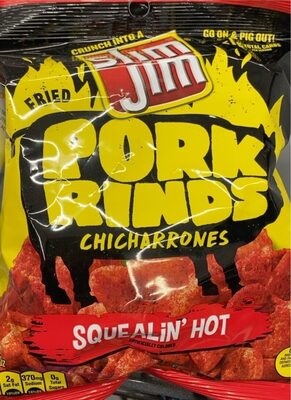 Conagra Brands, Inc
Slim Jim Pork Rinds, Squealin' Hot Flavor Fried Meat Snacks, 2 oz. Bag
571kcal
50Protein
35.7Fat
7.1Carbs
Conagra Brands, Inc
Slim Jim Pork Rinds, Squealin' Hot Flavor Fried Meat Snacks, 2 oz. Bag
571kcal
50Protein
35.7Fat
7.1Carbs