Artificial Mustard Oil
Auto-generated content. This description was generated automatically and is pending editorial review. Inaccuracies are possible. Found a mistake? Contact us.
What it is
Artificial mustard oil is a synthetic flavoring agent designed to mimic the pungent taste of natural mustard oil. It is typically created using chemical compounds that replicate the characteristic flavor profile of mustard seeds.
Why it's used
Manufacturers use artificial mustard oil to impart a spicy, pungent flavor to foods without using actual mustard. It is commonly found in salad dressings, mayonnaise, cheese spreads, and various ethnic sauces where a mustard-like taste is desired.
Health notes
Artificial mustard oil is generally recognized as safe (GRAS) by the FDA for use as a flavoring agent. Regulatory bodies like JECFA and EFSA have evaluated flavoring substances, but specific evaluations for 'artificial mustard oil' as a distinct entity are not widely documented. At typical consumption levels, it is not associated with adverse health effects. There are no widespread controversies regarding its use.
Allergen info
Artificial mustard oil is not derived from any of the 9 major allergens. It does not contain gluten.
Products containing Artificial Mustard Oil
Compare products →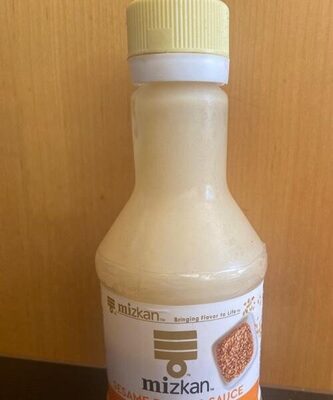 Mizkan America, Inc.
Sesame Dipping Sauce
High in sodium — 20% DV per serving
433kcal
3.3Protein
30Fat
33.3Carbs
Mizkan America, Inc.
Sesame Dipping Sauce
High in sodium — 20% DV per serving
433kcal
3.3Protein
30Fat
33.3Carbs
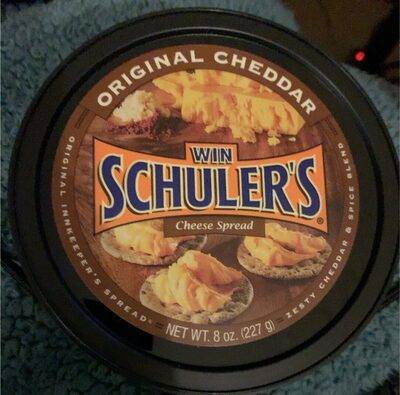 Win Schuler Foods, Inc.
Win Schuler's, Original Cheddar Cheese Spread
321kcal
10.7Protein
25Fat
7.1Carbs
Mizkan America, Inc.
Creamy Sesame Dressing, Creamy Sesame
High in sodium — 20% DV per serving
500kcal
3.3Protein
46.7Fat
20Carbs
Win Schuler Foods, Inc.
Win Schuler's, Original Cheddar Cheese Spread
321kcal
10.7Protein
25Fat
7.1Carbs
Mizkan America, Inc.
Creamy Sesame Dressing, Creamy Sesame
High in sodium — 20% DV per serving
500kcal
3.3Protein
46.7Fat
20Carbs
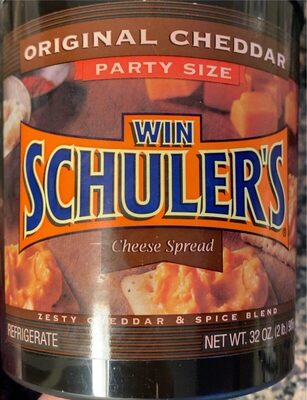 Win Schuler Foods, Inc.
Original Cheddar Cheese Spread, Original Cheddar
286kcal
10.7Protein
25Fat
7.1Carbs
Win Schuler Foods, Inc.
Original Cheddar Cheese Spread, Original Cheddar
286kcal
10.7Protein
25Fat
7.1Carbs
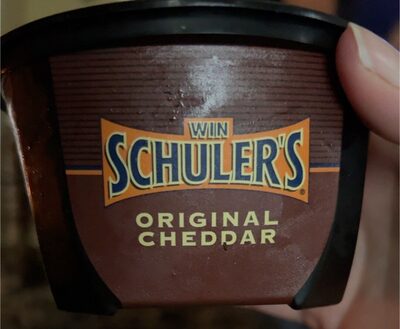 Win Schuler Foods, Inc.
Original Cheddar
321kcal
10.7Protein
25Fat
7.1Carbs
Win Schuler Foods, Inc.
Original Cheddar
321kcal
10.7Protein
25Fat
7.1Carbs