Artificial & Natural Flavors
Auto-generated content. This description was generated automatically and is pending editorial review. Inaccuracies are possible. Found a mistake? Contact us.
What it is
Artificial and natural flavors are substances added to food to give it a specific taste or smell. Natural flavors are derived from plant or animal sources, while artificial flavors are created synthetically in a lab. Both types are complex mixtures, often containing dozens of individual chemical compounds.
Why it's used
Manufacturers use flavors to enhance or impart taste and aroma to a wide range of foods. They are commonly found in candies, baked goods, beverages, dairy products, and processed snacks. Their purpose is to make food more appealing to consumers.
Health notes
In the U.S., both artificial and natural flavors are generally recognized as safe (GRAS) by the FDA when used as intended. International bodies like JECFA and EFSA have also evaluated many flavor compounds. While generally considered safe at typical consumption levels, some individuals may experience sensitivities or adverse reactions to specific flavorings. Research into the long-term health effects of consuming complex mixtures of flavor compounds is ongoing.
Allergen info
Flavors are not typically considered major allergens. However, if a flavor is derived from a major allergen source (like milk or soy), that source must be declared on the ingredient list.
Products containing Artificial & Natural Flavors
Compare products →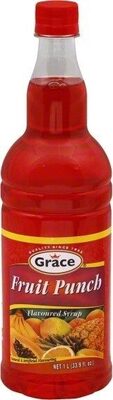 Grace Kennedy Co. Ltd
Grace, Fruit Punch Syrup, Fruit Punch
350kcal
0Protein
0Fat
88.3Carbs
Schnuck Markets, Inc.
Sour Fruit Slices Candy
350kcal
0Protein
0Fat
85Carbs
Dierberg's Markets, Inc.
Syrup, Original
333kcal
0Protein
0Fat
85Carbs
Waggoner Chocolates
Waggoner Chocolates, Corn, Caramel, Caramel
500kcal
3.6Protein
21.4Fat
67.9Carbs
Mount Franklin Foods LLC
Fruit Flavored Snacks, Assorted
314kcal
3.9Protein
0Fat
74.5Carbs
Mount Franklin Foods LLC
Fruit Flavored Snacks, Assorted
314kcal
3.9Protein
0Fat
74.5Carbs
Apex Outfitters, Inc.
The Little Slugger, Snacks, Fruit, Fruit
314kcal
3.9Protein
0Fat
74.5Carbs
Wells Enterprises, Inc.
Ice Cream, Vanilla
High in saturated fat — 20% DV per serving
203kcal
3.1Protein
10.9Fat
25Carbs
Mountain Man Nut & Fruit Co.
Gummy Bears
275kcal
5Protein
0Fat
65Carbs
Mountain Man Nut & Fruit Co.
Neon Squiggles
316kcal
5.3Protein
0Fat
76.3Carbs
Hormel Foods Corporation
Cheddar Wrap Kit With Snacks & Salami, Fruit
High in sodium — 38% DV per serving
High in saturated fat — 25% DV per serving
315kcal
9.9Protein
11.7Fat
41.4Carbs
Grace Kennedy Co. Ltd
Grace, Fruit Punch Syrup, Fruit Punch
350kcal
0Protein
0Fat
88.3Carbs
Schnuck Markets, Inc.
Sour Fruit Slices Candy
350kcal
0Protein
0Fat
85Carbs
Dierberg's Markets, Inc.
Syrup, Original
333kcal
0Protein
0Fat
85Carbs
Waggoner Chocolates
Waggoner Chocolates, Corn, Caramel, Caramel
500kcal
3.6Protein
21.4Fat
67.9Carbs
Mount Franklin Foods LLC
Fruit Flavored Snacks, Assorted
314kcal
3.9Protein
0Fat
74.5Carbs
Mount Franklin Foods LLC
Fruit Flavored Snacks, Assorted
314kcal
3.9Protein
0Fat
74.5Carbs
Apex Outfitters, Inc.
The Little Slugger, Snacks, Fruit, Fruit
314kcal
3.9Protein
0Fat
74.5Carbs
Wells Enterprises, Inc.
Ice Cream, Vanilla
High in saturated fat — 20% DV per serving
203kcal
3.1Protein
10.9Fat
25Carbs
Mountain Man Nut & Fruit Co.
Gummy Bears
275kcal
5Protein
0Fat
65Carbs
Mountain Man Nut & Fruit Co.
Neon Squiggles
316kcal
5.3Protein
0Fat
76.3Carbs
Hormel Foods Corporation
Cheddar Wrap Kit With Snacks & Salami, Fruit
High in sodium — 38% DV per serving
High in saturated fat — 25% DV per serving
315kcal
9.9Protein
11.7Fat
41.4Carbs