Artificial Orange Flavor
Auto-generated content. This description was generated automatically and is pending editorial review. Inaccuracies are possible. Found a mistake? Contact us.
What it is
Artificial orange flavor is a blend of chemical compounds designed to mimic the taste and aroma of real oranges. These compounds can be synthesized in a lab or derived from natural sources, then combined to create a specific orange profile. The exact composition varies depending on the desired flavor intensity and notes.
Why it's used
Manufacturers use artificial orange flavor to impart a distinct orange taste to a wide variety of products. It is commonly found in candies, beverages, baked goods, and desserts where a consistent and cost-effective orange flavor is desired. Its stability during processing also makes it a popular choice.
Health notes
Artificial flavors are generally recognized as safe (GRAS) by the FDA when used as intended. Regulatory bodies like the Joint FAO/WHO Expert Committee on Food Additives (JECFA) and the European Food Safety Authority (EFSA) have evaluated many flavoring substances. While generally considered safe at typical consumption levels, some individuals may report sensitivities to artificial ingredients. Research into the long-term effects of consuming complex mixtures of artificial flavors is ongoing.
Allergen info
Artificial orange flavor is not derived from any of the nine FDA major allergens. It does not contain gluten.
Products containing Artificial Orange Flavor
Compare products →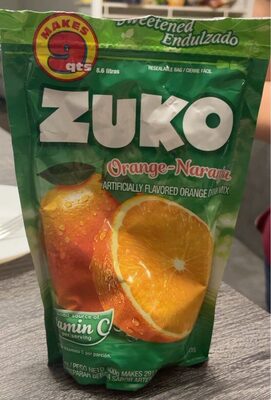 Genercon Outdoor Living Company
Zuko, Drink Mix, Orange, Orange
382kcal
0Protein
0Fat
90.9Carbs
Genercon Outdoor Living Company
Orange Flavored Drink Mix, Orange
333kcal
0Protein
0Fat
88.9Carbs
Genercon Outdoor Living Company
Zuko, Drink Mix, Orange, Orange
382kcal
0Protein
0Fat
90.9Carbs
Genercon Outdoor Living Company
Orange Flavored Drink Mix, Orange
333kcal
0Protein
0Fat
88.9Carbs
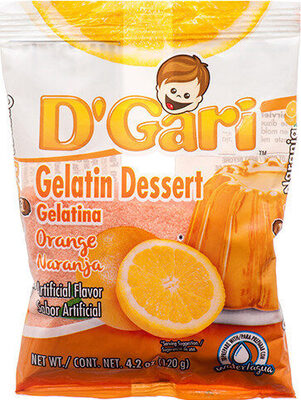 Productor Alimenticios Y Dieteticos
Orange Flavor Gelatin Dessert, Orange
High in added sugars — 22% DV per serving
385kcal
15.4Protein
0Fat
84.6Carbs
Nuccio's Bakery
Nuccio's, Nuccio's Linzer Tarts
High in saturated fat — 23% DV per serving
339kcal
5.4Protein
21.4Fat
42.9Carbs
Hannaford Bros. Co.
Assorted Wild Fruit Hard Candy
312kcal
0Protein
0Fat
93.8Carbs
Montalvan's Sales
Orange Extract, Orange
533kcal
0Protein
0Fat
—Carbs
Productor Alimenticios Y Dieteticos
Orange Flavor Gelatin Dessert, Orange
High in added sugars — 22% DV per serving
385kcal
15.4Protein
0Fat
84.6Carbs
Nuccio's Bakery
Nuccio's, Nuccio's Linzer Tarts
High in saturated fat — 23% DV per serving
339kcal
5.4Protein
21.4Fat
42.9Carbs
Hannaford Bros. Co.
Assorted Wild Fruit Hard Candy
312kcal
0Protein
0Fat
93.8Carbs
Montalvan's Sales
Orange Extract, Orange
533kcal
0Protein
0Fat
—Carbs