Artificial Vanilla Extract
Auto-generated content. This description was generated automatically and is pending editorial review. Inaccuracies are possible. Found a mistake? Contact us.
What it is
Artificial vanilla extract is a flavoring made to mimic the taste of natural vanilla extract. It is typically synthesized using compounds like vanillin, which is the primary flavor component of vanilla beans, often combined with other aroma chemicals to achieve a complex vanilla profile.
Why it's used
Manufacturers add artificial vanilla extract to provide a consistent and cost-effective vanilla flavor in a wide range of foods. It is commonly found in baked goods like cakes, cookies, and pastries, as well as in ice cream, puddings, and beverages.
Health notes
Artificial vanilla extract is generally recognized as safe (GRAS) by the FDA for use as a flavoring. Regulatory bodies like JECFA and EFSA have evaluated vanillin and related compounds, and they are permitted for use in foods. At typical consumption levels, artificial vanilla extract is not associated with adverse health effects.
Allergen info
Artificial vanilla extract is not derived from any of the FDA's major allergens and does not contain gluten.
Products containing Artificial Vanilla Extract
Compare products →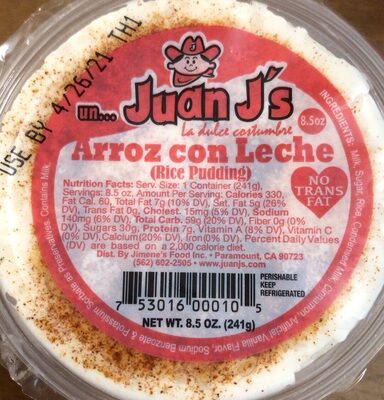 Juan Jimenez
Arroz Con Leche Rice Pudding
High in saturated fat — 25% DV per serving
137kcal
2.9Protein
2.9Fat
24.5Carbs
Nutco, Inc.
Roasted & Salted Nut Mix, Roasted & Salted
High in saturated fat — 20% DV per serving
500kcal
10Protein
30Fat
50Carbs
Lestis Desserts Enterprises Inc.
Apricot Hamantaschen, Apricot
393kcal
3.6Protein
14.3Fat
60.7Carbs
Lestis Desserts Enterprises Inc.
Black Forest 6 Inch Gourmet Cake
High in saturated fat — 55% DV per serving
High in cholesterol — 27% DV per serving
362kcal
3.8Protein
23.8Fat
36.2Carbs
Lestis Desserts Enterprises Inc.
Day & Night Tort, Day & Night
High in saturated fat — 35% DV per serving
High in cholesterol — 37% DV per serving
288kcal
4Protein
14.4Fat
32.8Carbs
Lestis Desserts Enterprises Inc.
Nutty Tort, Nutty
High in saturated fat — 35% DV per serving
304kcal
4.8Protein
14.4Fat
40.8Carbs
Lestis Desserts Enterprises Inc.
Raspberry Hamantaschen, Raspberry
250kcal
0Protein
1.8Fat
64.3Carbs
Juan Jimenez
Arroz Con Leche Rice Pudding
High in saturated fat — 25% DV per serving
137kcal
2.9Protein
2.9Fat
24.5Carbs
Nutco, Inc.
Roasted & Salted Nut Mix, Roasted & Salted
High in saturated fat — 20% DV per serving
500kcal
10Protein
30Fat
50Carbs
Lestis Desserts Enterprises Inc.
Apricot Hamantaschen, Apricot
393kcal
3.6Protein
14.3Fat
60.7Carbs
Lestis Desserts Enterprises Inc.
Black Forest 6 Inch Gourmet Cake
High in saturated fat — 55% DV per serving
High in cholesterol — 27% DV per serving
362kcal
3.8Protein
23.8Fat
36.2Carbs
Lestis Desserts Enterprises Inc.
Day & Night Tort, Day & Night
High in saturated fat — 35% DV per serving
High in cholesterol — 37% DV per serving
288kcal
4Protein
14.4Fat
32.8Carbs
Lestis Desserts Enterprises Inc.
Nutty Tort, Nutty
High in saturated fat — 35% DV per serving
304kcal
4.8Protein
14.4Fat
40.8Carbs
Lestis Desserts Enterprises Inc.
Raspberry Hamantaschen, Raspberry
250kcal
0Protein
1.8Fat
64.3Carbs