Asian Ginseng
Auto-generated content. This description was generated automatically and is pending editorial review. Inaccuracies are possible. Found a mistake? Contact us.
What it is
Asian ginseng (Panax ginseng) is a plant whose root is used in traditional medicine. It is native to East Asia, particularly Korea and China. The root is typically dried and can be used whole, powdered, or extracted.
Why it's used
Ginseng is often added to foods and beverages for its perceived health benefits and slightly bitter flavor. It is commonly found in teas, energy drinks, and some supplements. Manufacturers may also use it to add a distinct taste profile to products.
Health notes
In the U.S., ginseng is generally recognized as safe (GRAS) when used as a food ingredient. Some studies suggest ginseng may have antioxidant properties and could potentially affect blood sugar and immune function, though research is ongoing and results are mixed. International bodies like the WHO and EFSA have evaluated ginseng, but they have not set specific intake limits. Some people report side effects like insomnia or digestive upset, especially with high doses.
Allergen info
Ginseng is not one of the nine major allergens recognized by the FDA. It does not contain gluten.
Products containing Asian Ginseng
Compare products →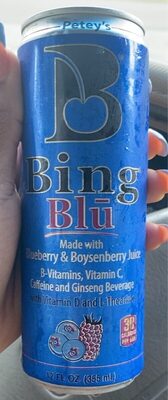 Inspiration Beverage Company LLC
Blu Blueberry & Boysenberry Juice Beverage, Blu
8kcal
0Protein
0Fat
2.5Carbs
Inspiration Beverage Company LLC
Blu Blueberry & Boysenberry Juice Beverage, Blu
8kcal
0Protein
0Fat
2.5Carbs
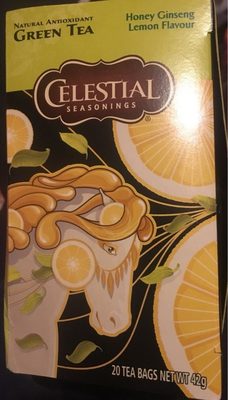 The Hain Celestial Group, Inc.
Honey Lemon Ginseng Green Tea Bags
0kcal
0Protein
0Fat
0Carbs
The Hain Celestial Group, Inc.
Honey Lemon Ginseng Green Tea Bags
0kcal
0Protein
0Fat
0Carbs
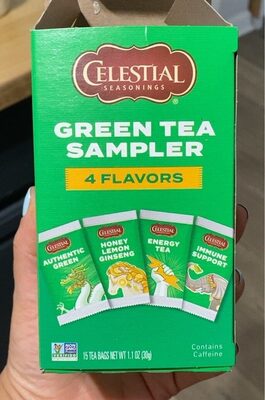 The Hain Celestial Group, Inc.
4 Flavors Green Sampler Tea Bags
0kcal
0Protein
0Fat
0Carbs
The Hain Celestial Group, Inc.
4 Flavors Green Sampler Tea Bags
0kcal
0Protein
0Fat
0Carbs