Autolysed Yeast
What is Autolysed Yeast?
Autolyzed yeast is yeast that has been broken down by its own enzymes. This process releases the natural savory compounds and amino acids within the yeast cells. It is often used as a natural source of umami flavor.
Is Autolysed Yeast vegan?
Autolysed Yeast is not animal-derived. Products that contain it can still include other animal-derived ingredients, so check the full ingredient list.
Is Autolysed Yeast gluten-free?
It does not contain gluten.
Is Autolysed Yeast a major allergen?
Autolyzed yeast is not derived from any of the 9 major allergens.
What is Autolysed Yeast used for?
Manufacturers use autolyzed yeast to enhance the savory, umami taste of foods.
Is Autolysed Yeast safe?
Autolyzed yeast is generally recognized as safe (GRAS) by the FDA for use in food.
Why it's used
Manufacturers use autolyzed yeast to enhance the savory, umami taste of foods. It can add a meaty or brothy flavor without adding meat products. It is commonly found in snacks, soups, sauces, and savory baked goods.
Health notes
Autolyzed yeast is generally recognized as safe (GRAS) by the FDA for use in food. It is a source of B vitamins and amino acids. International bodies like JECFA and EFSA have evaluated yeast extracts, and while they have established acceptable intake levels, specific evaluations for autolyzed yeast may vary. Evidence does not suggest adverse health effects from typical consumption.
Allergen info
Autolyzed yeast is not derived from any of the 9 major allergens. It does not contain gluten.
Foods that contain Autolysed Yeast
Compare products →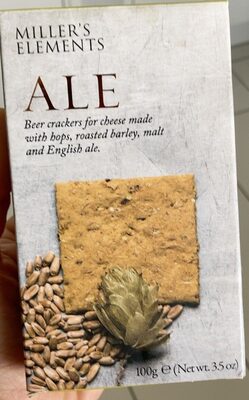
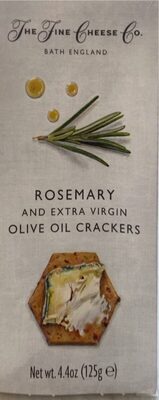
Learn more
Auto-generated content. This description was generated automatically and is pending editorial review. Inaccuracies are possible. Found a mistake? Contact us.