Bacteria Ferments
What is Bacteria Ferments?
Bacteria ferments are the result of using beneficial bacteria to transform food ingredients. This process, known as fermentation, can enhance flavor, texture, and shelf life. It is a traditional method used globally to produce a wide variety of foods.
Is Bacteria Ferments a major allergen?
Bacteria ferments themselves are not major allergens.
What is Bacteria Ferments used for?
Manufacturers use bacteria ferments to develop complex flavors and improve the texture of foods like cheeses, yogurts, and fermented vegetables.
Is Bacteria Ferments safe?
Bacteria ferments are generally recognized as safe (GRAS) by the FDA.
Why it's used
Manufacturers use bacteria ferments to develop complex flavors and improve the texture of foods like cheeses, yogurts, and fermented vegetables. They can also act as natural preservatives. These ferments are common in dairy products, baked goods, and savory dishes.
Health notes
Bacteria ferments are generally recognized as safe (GRAS) by the FDA. They are often associated with beneficial effects on gut health due to the presence of probiotics, although specific health claims require more research. International bodies like EFSA have evaluated fermented foods and ingredients, acknowledging their role in diets.
Allergen info
Bacteria ferments themselves are not major allergens. However, if they are used in or derived from products containing major allergens like milk or soy, those allergens would be present in the final food.
Foods that contain Bacteria Ferments
Compare products →
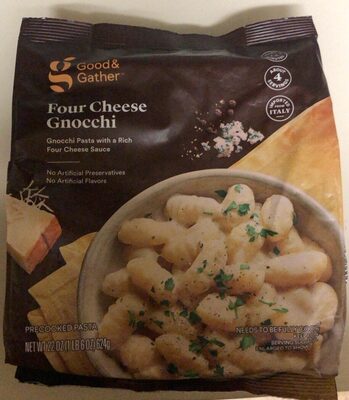
Auto-generated content. This description was generated automatically and is pending editorial review. Inaccuracies are possible. Found a mistake? Contact us.