Penicillium
What is Penicillium?
Penicillium is a genus of fungi, commonly known as molds. Some species are used in food production, particularly for making cheeses like blue cheese and brie, and others are used to produce antibiotics. These molds are cultivated under controlled conditions for specific food applications.
Is Penicillium a major allergen?
Penicillium itself is not one of the nine major allergens.
What is Penicillium used for?
Certain Penicillium species are essential for developing the characteristic flavor, aroma, and texture of many cheeses, such as Roquefort, Gorgonzola, and Camembert.
Is Penicillium safe?
Penicillium species used in food are generally recognized as safe (GRAS) by the FDA for their intended use in cheese production.
Why it's used
Certain Penicillium species are essential for developing the characteristic flavor, aroma, and texture of many cheeses, such as Roquefort, Gorgonzola, and Camembert. They act as a ripening agent, contributing to the unique sensory qualities of these dairy products.
Health notes
Penicillium species used in food are generally recognized as safe (GRAS) by the FDA for their intended use in cheese production. These molds are a natural part of traditional cheesemaking and are consumed in small amounts as part of the finished product. International bodies like JECFA have evaluated related fungal enzymes, but specific evaluations for food-grade Penicillium molds are not widely publicized in terms of ADIs.
Allergen info
Penicillium itself is not one of the nine major allergens. However, it is often used in cheese, which can be derived from milk, a major allergen.
Foods that contain Penicillium
Compare products →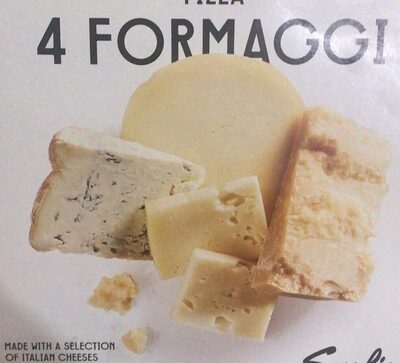
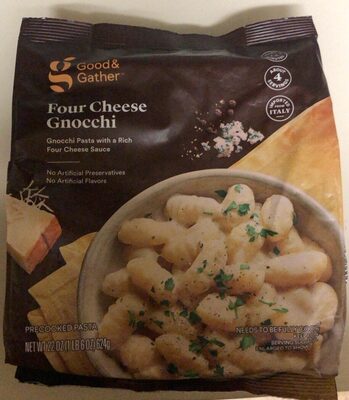
Auto-generated content. This description was generated automatically and is pending editorial review. Inaccuracies are possible. Found a mistake? Contact us.