Baking Powder And Soy Lecithin
What is Baking Powder And Soy Lecithin?
Baking powder is a chemical leavening agent, a mixture of a carbonate or bicarbonate and a weak acid. It is used to increase the volume and lighten the texture of baked goods. Soy lecithin is a phospholipid derived from soybean oil, often used as an emulsifier.
Is Baking Powder And Soy Lecithin vegan?
Baking Powder And Soy Lecithin is not animal-derived. Products that contain it can still include other animal-derived ingredients, so check the full ingredient list.
Is Baking Powder And Soy Lecithin gluten-free?
It does not contain gluten.
Is Baking Powder And Soy Lecithin a major allergen?
Soy lecithin is derived from soy, which is one of the 9 FDA major allergens.
What is Baking Powder And Soy Lecithin used for?
Baking powder causes doughs and batters to rise by producing carbon dioxide gas when mixed with liquid and heated.
Is Baking Powder And Soy Lecithin safe?
Baking powder is generally recognized as safe (GRAS) by the FDA for use in food.
Why it's used
Baking powder causes doughs and batters to rise by producing carbon dioxide gas when mixed with liquid and heated. Soy lecithin helps to bind ingredients together, preventing separation and improving texture in products like cookies, baked goods, and chocolate.
Health notes
Baking powder is generally recognized as safe (GRAS) by the FDA for use in food. Soy lecithin is also GRAS. Both are consumed in small amounts and are not associated with adverse health effects at typical dietary levels. Regulatory bodies like JECFA and EFSA have evaluated these ingredients and found them safe for consumption.
Allergen info
Soy lecithin is derived from soy, which is one of the 9 FDA major allergens. It does not contain gluten.
Foods that contain Baking Powder And Soy Lecithin
Compare products →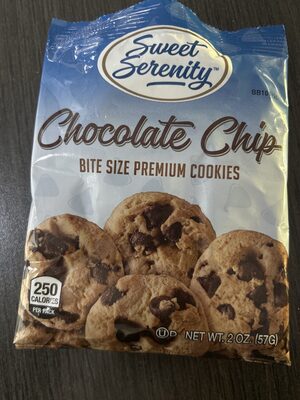 Biscomerica Corp
Sweet Serenity, Chocolate Chip Cookies
High in saturated fat — 25% DV per serving
482kcal
3.6Protein
23.2Fat
60.7Carbs
Biscomerica Corp
Sun-Maid, Bite Size Premium Cookies, Oatmeal Raisin Apple, Oatmeal Raisin Apple
429kcal
3.6Protein
19.6Fat
62.5Carbs
Hawaii Associated Wholesale
Kauai Kookie, Petite Hawaiian Homestyle Cookies, Butter Chocolate Chip Macadamia Nut, Butter Chocolate Chip Macadamia Nut
High in saturated fat — 20% DV per serving
464kcal
7.1Protein
25Fat
53.6Carbs
Biscomerica Corp
Sweet Serenity, Chocolate Chip Cookies
High in saturated fat — 25% DV per serving
482kcal
3.6Protein
23.2Fat
60.7Carbs
Biscomerica Corp
Sun-Maid, Bite Size Premium Cookies, Oatmeal Raisin Apple, Oatmeal Raisin Apple
429kcal
3.6Protein
19.6Fat
62.5Carbs
Hawaii Associated Wholesale
Kauai Kookie, Petite Hawaiian Homestyle Cookies, Butter Chocolate Chip Macadamia Nut, Butter Chocolate Chip Macadamia Nut
High in saturated fat — 20% DV per serving
464kcal
7.1Protein
25Fat
53.6Carbs
Auto-generated content. This description was generated automatically and is pending editorial review. Inaccuracies are possible. Found a mistake? Contact us.