Basil Oregano
What is Basil Oregano?
Basil and oregano are both aromatic herbs commonly used in cooking. Basil is known for its sweet, peppery flavor, while oregano offers a more pungent, earthy taste. Both are native to the Mediterranean region and are widely cultivated.
Is Basil Oregano vegan?
Basil Oregano is not animal-derived. Products that contain it can still include other animal-derived ingredients, so check the full ingredient list.
Is Basil Oregano gluten-free?
They do not contain gluten.
Is Basil Oregano a major allergen?
Basil and oregano are not among the 9 major allergens recognized by the FDA.
What is Basil Oregano used for?
Manufacturers use basil and oregano primarily as flavoring agents to add a savory, herbaceous taste to foods.
Is Basil Oregano safe?
Basil and oregano are generally recognized as safe (GRAS) by the FDA when used as food ingredients.
Why it's used
Manufacturers use basil and oregano primarily as flavoring agents to add a savory, herbaceous taste to foods. They are frequently found in Italian and Mediterranean dishes, including pasta sauces, pizzas, salad dressings, and seasoned meats.
Health notes
Basil and oregano are generally recognized as safe (GRAS) by the FDA when used as food ingredients. They are not typically associated with adverse health effects at the levels found in food. International bodies like EFSA have evaluated herbs and spices for safety, and they are not subject to specific numeric limits when used for flavoring. No significant controversies exist regarding their use as food flavorings.
Allergen info
Basil and oregano are not among the 9 major allergens recognized by the FDA. They do not contain gluten.
Foods that contain Basil Oregano
Compare products →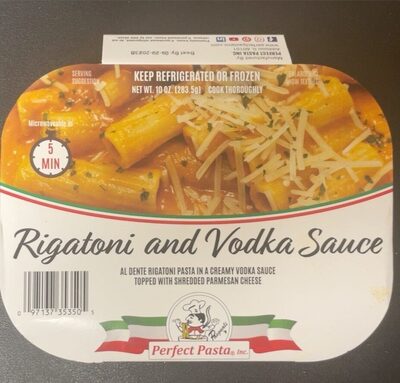 Perfect Pasta Inc.
Rigatoni And Vodka Al Dente Rigatoni Pasta In A Creamy Vodka Sauce Topped With Shredded Parmesan Cheese, Rigatoni And Vodka
High in sodium — 30% DV per serving
High in saturated fat — 45% DV per serving
74kcal
1.4Protein
5.6Fat
4.2Carbs
Perfect Pasta Inc.
Rigatoni And Vodka Al Dente Rigatoni Pasta In A Creamy Vodka Sauce Topped With Shredded Parmesan Cheese, Rigatoni And Vodka
High in sodium — 30% DV per serving
High in saturated fat — 45% DV per serving
74kcal
1.4Protein
5.6Fat
4.2Carbs
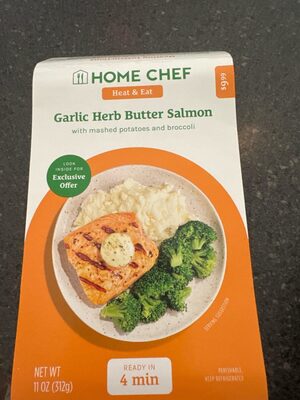 Relish Labs LLC
Garlic Herb Butter Salmon, Garlic Herb
High in sodium — 47% DV per serving
High in saturated fat — 70% DV per serving
High in cholesterol — 35% DV per serving
131kcal
8.3Protein
8.0Fat
8.3Carbs
Severino Pasta Mfg.
Severino Homemade Pasta, Lasagna, Classic Cheese
High in sodium — 36% DV per serving
High in saturated fat — 40% DV per serving
High in cholesterol — 26% DV per serving
198kcal
8.8Protein
7.9Fat
22.0Carbs
Renaissance Food Group, LLC
Caullflower Gratir
High in saturated fat — 35% DV per serving
145kcal
6.4Protein
10.9Fat
8.2Carbs
Relish Labs LLC
Garlic Herb Butter Salmon, Garlic Herb
High in sodium — 47% DV per serving
High in saturated fat — 70% DV per serving
High in cholesterol — 35% DV per serving
131kcal
8.3Protein
8.0Fat
8.3Carbs
Severino Pasta Mfg.
Severino Homemade Pasta, Lasagna, Classic Cheese
High in sodium — 36% DV per serving
High in saturated fat — 40% DV per serving
High in cholesterol — 26% DV per serving
198kcal
8.8Protein
7.9Fat
22.0Carbs
Renaissance Food Group, LLC
Caullflower Gratir
High in saturated fat — 35% DV per serving
145kcal
6.4Protein
10.9Fat
8.2Carbs
Learn more
Auto-generated content. This description was generated automatically and is pending editorial review. Inaccuracies are possible. Found a mistake? Contact us.