Basil Pesto Aioli
Auto-generated content. This description was generated automatically and is pending editorial review. Inaccuracies are possible. Found a mistake? Contact us.
What it is
Basil pesto aioli is a creamy sauce made by blending basil, garlic, pine nuts, Parmesan cheese, and olive oil to create a pesto, then mixing it with mayonnaise or a similar emulsified sauce. This results in a rich, herbaceous, and slightly tangy condiment. It's a modern variation on traditional pesto, often adapted for broader appeal.
Why it's used
Manufacturers use basil pesto aioli as a flavorful spread, sauce, or dip. Its rich texture and savory basil-garlic taste make it ideal for sandwiches, wraps, burgers, and as a dip for vegetables or fries. It adds a gourmet touch and enhanced flavor to a variety of prepared foods.
Health notes
Basil pesto aioli is not a regulated food additive; its ingredients are common food items. The health implications depend on the individual ingredients and overall nutritional profile of the food it's added to, particularly fat and sodium content. Regulatory bodies like the FDA oversee the safety of individual ingredients used in its preparation, such as basil, garlic, and oils, which are generally recognized as safe. No specific evaluations by international bodies like JECFA or EFSA exist for 'basil pesto aioli' as a composite product.
Allergen info
Basil pesto aioli may contain allergens depending on its specific formulation. Traditional pesto often includes Parmesan cheese (milk) and pine nuts (tree nuts), both of which are major allergens. Mayonnaise typically contains eggs, another major allergen. Check product labels for specific allergen declarations.
Products containing Basil Pesto Aioli
Compare products →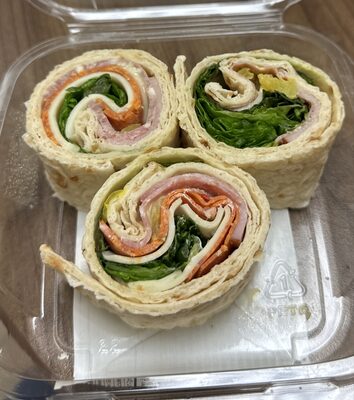 Publix Super Markets, Inc.
Italian-Style Pinwheels, Italian-Style
High in sodium — 47% DV per serving
High in saturated fat — 45% DV per serving
263kcal
10.9Protein
14.1Fat
21.1Carbs
Publix Super Markets, Inc.
Italian-Style Pinwheels, Italian-Style
High in sodium — 47% DV per serving
High in saturated fat — 45% DV per serving
263kcal
10.9Protein
14.1Fat
21.1Carbs
 Publix Super Markets, Inc.
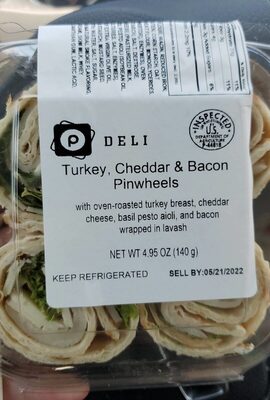
Turkey, Cheddar & Bacon Pinwheels, Turkey, Cheddar & Bacon
High in sodium — 39% DV per serving
High in saturated fat — 25% DV per serving
243kcal
12.9Protein
11.4Fat
22.9Carbs
Delhaize America, Inc.
Classic Italian Style Sandwich, Classic Italian Style
High in sodium — 84% DV per serving
High in saturated fat — 70% DV per serving
High in cholesterol — 33% DV per serving
253kcal
10.2Protein
16.8Fat
16.4Carbs
Publix Super Markets, Inc.
Turkey, Cheddar & Bacon Pinwheels, Turkey, Cheddar & Bacon
High in sodium — 39% DV per serving
High in saturated fat — 25% DV per serving
243kcal
12.9Protein
11.4Fat
22.9Carbs
Delhaize America, Inc.
Classic Italian Style Sandwich, Classic Italian Style
High in sodium — 84% DV per serving
High in saturated fat — 70% DV per serving
High in cholesterol — 33% DV per serving
253kcal
10.2Protein
16.8Fat
16.4Carbs