Distilled Vinegar
Auto-generated content. This description was generated automatically and is pending editorial review. Inaccuracies are possible. Found a mistake? Contact us.
What it is
Distilled vinegar is a clear liquid made by fermenting distilled grain alcohol (ethanol) with acetic acid bacteria. This process converts the alcohol into acetic acid, which gives vinegar its characteristic sour taste and pungent smell. It primarily consists of acetic acid and water.
Why it's used
Manufacturers add distilled vinegar to foods for its tart flavor, to balance sweetness, and as a natural preservative. Its acidity helps inhibit the growth of bacteria and molds, extending the shelf life of products. It is commonly found in condiments like ketchup and mustard, pickled foods, salad dressings, and marinades.
Health notes
The FDA generally recognizes distilled vinegar as safe (GRAS) for its intended uses in food. It is a common food ingredient and is not associated with adverse health effects at typical consumption levels. The main component, acetic acid, has been evaluated by JECFA, which did not set a numeric limit (ADI not specified) as it is considered a normal component of food and metabolism. There are no notable controversies regarding the safety of distilled vinegar as a food ingredient.
Allergen info
Not a major allergen.
Products containing Distilled Vinegar
Compare products →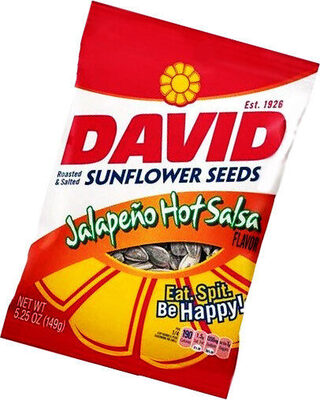 Conagra Brands
DAVID Dill Pickle Sunflower Seeds
633kcal
26.7Protein
53.3Fat
16.7Carbs
Conagra Brands
HUNTS All Natural Ketchup, Inverted Clear Bottle, 12/20 oz., 20 OZ
—kcal
0Protein
0Fat
29.4Carbs
Conagra Brands
Hunt's Tomato Ketchup, 13.5 oz, 13.5 OZ
—kcal
0Protein
0Fat
29.4Carbs
Conagra Brands
HUNTS Natural Tomato Ketchup, 62 OZ
—kcal
0Protein
0Fat
29.4Carbs
Conagra Brands
DAVID Dill Pickle Sunflower Seeds
633kcal
26.7Protein
53.3Fat
16.7Carbs
Conagra Brands
HUNTS All Natural Ketchup, Inverted Clear Bottle, 12/20 oz., 20 OZ
—kcal
0Protein
0Fat
29.4Carbs
Conagra Brands
Hunt's Tomato Ketchup, 13.5 oz, 13.5 OZ
—kcal
0Protein
0Fat
29.4Carbs
Conagra Brands
HUNTS Natural Tomato Ketchup, 62 OZ
—kcal
0Protein
0Fat
29.4Carbs
 Conagra Brands
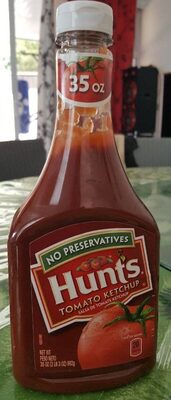
Hunt's Tomato Ketchup, 35 oz, 35 OZ
—kcal
0Protein
0Fat
29.4Carbs
Conagra Brands
HUNTS All Natural Ketchup, Inverted Red Bottle, 20/16 oz., 16 OZ
—kcal
0Protein
0Fat
29.4Carbs
Conagra Brands
HUNTS Chili Sauce, #10 Can, 6/115 oz., 115 OZ
—kcal
0Protein
0Fat
26.5Carbs
Conagra Brands
Hunt's Tomato Ketchup, 35 oz, 35 OZ
—kcal
0Protein
0Fat
29.4Carbs
Conagra Brands
HUNTS All Natural Ketchup, Inverted Red Bottle, 20/16 oz., 16 OZ
—kcal
0Protein
0Fat
29.4Carbs
Conagra Brands
HUNTS Chili Sauce, #10 Can, 6/115 oz., 115 OZ
—kcal
0Protein
0Fat
26.5Carbs
 Conagra Brands
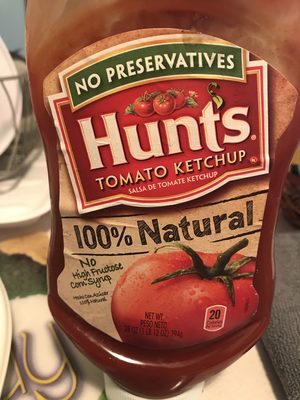
Hunt's 100% Natural Tomato Ketchup, 28 oz, 28 OZ
—kcal
0Protein
0Fat
29.4Carbs
Conagra Brands
HUNTS All Natural Ketchup, Inverted Red Bottle, 12/20 oz., 20 OZ
—kcal
0Protein
0Fat
29.4Carbs
Conagra Brands
VAN CAMP's Original Baked Beans, 28 oz., 28 OZ
High in sodium — 27% DV per serving
—kcal
3.7Protein
0.4Fat
21.5Carbs
Conagra Brands
VAN CAMPS Bacon Baked Beans Maple, 15 OZ
High in sodium — 23% DV per serving
—kcal
4.4Protein
0.4Fat
22.2Carbs
Pint Sized Ktchn Bites Reuben
High in sodium — 23% DV per serving
—kcal
11.8Protein
7.1Fat
32.9Carbs
Conagra Brands
Hunt's 100% Natural Tomato Ketchup, 28 oz, 28 OZ
—kcal
0Protein
0Fat
29.4Carbs
Conagra Brands
HUNTS All Natural Ketchup, Inverted Red Bottle, 12/20 oz., 20 OZ
—kcal
0Protein
0Fat
29.4Carbs
Conagra Brands
VAN CAMP's Original Baked Beans, 28 oz., 28 OZ
High in sodium — 27% DV per serving
—kcal
3.7Protein
0.4Fat
21.5Carbs
Conagra Brands
VAN CAMPS Bacon Baked Beans Maple, 15 OZ
High in sodium — 23% DV per serving
—kcal
4.4Protein
0.4Fat
22.2Carbs
Pint Sized Ktchn Bites Reuben
High in sodium — 23% DV per serving
—kcal
11.8Protein
7.1Fat
32.9Carbs