Niacin
What is Niacin?
Niacin, also known as vitamin B3, is an essential nutrient that plays a key role in energy metabolism and cell function. It can be found naturally in many foods, including meat, fish, nuts, and grains, and is also produced synthetically for use in food fortification and supplements.
Is Niacin vegan?
Niacin is not animal-derived. Products that contain it can still include other animal-derived ingredients, so check the full ingredient list.
Is Niacin a major allergen?
Niacin is not considered a major allergen.
What is Niacin used for?
Manufacturers add niacin to foods primarily as a nutrient to enrich or fortify products.
Is Niacin safe?
In the United States, niacin is recognized by the FDA as an essential nutrient and is permitted for use in food fortification.
Why it's used
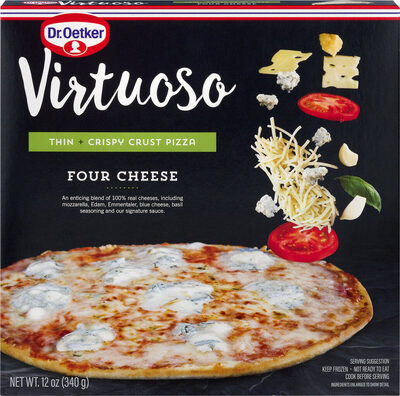
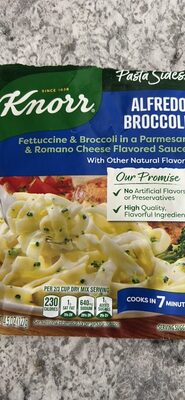
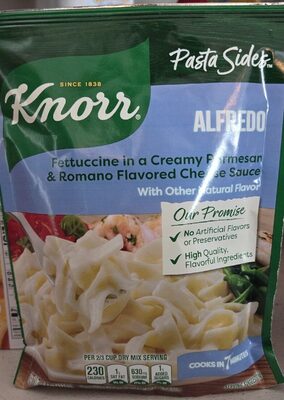
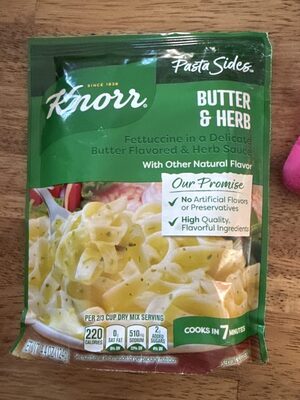
Manufacturers add niacin to foods primarily as a nutrient to enrich or fortify products. It is commonly used in enriched grain products like cereals, bread, and pasta, as well as in some snack foods, to help prevent nutrient deficiencies.
Health notes
In the United States, niacin is recognized by the FDA as an essential nutrient and is permitted for use in food fortification. At typical intake levels from fortified foods, niacin is safe and helps prevent pellagra, a deficiency disease. However, very high doses, often from supplements, can cause temporary skin flushing. JECFA has evaluated niacin and established an acceptable daily intake. EFSA has also evaluated niacin and its safety.
Allergen info
Niacin is not considered a major allergen.
Foods that contain Niacin
Compare products →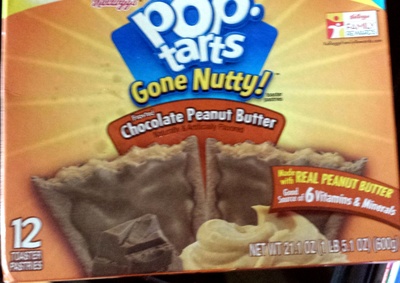 Kellogg Company US
Kellogg Pop-Tarts Chocolate Peanut Butter 21.1Oz
—kcal
4.8Protein
10Fat
72.3Carbs

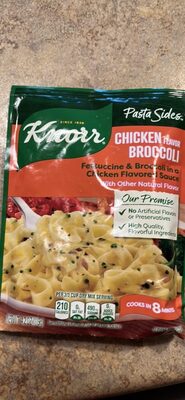
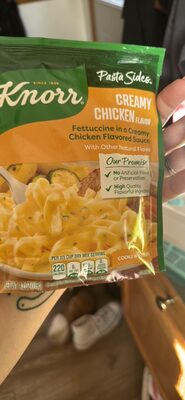
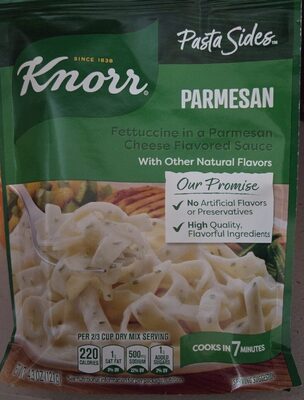
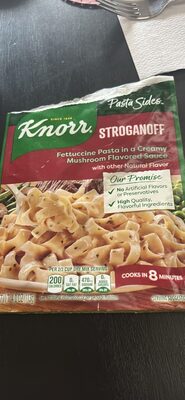
Learn more
Auto-generated content. This description was generated automatically and is pending editorial review. Inaccuracies are possible. Found a mistake? Contact us.