Basil Salt
Auto-generated content. This description was generated automatically and is pending editorial review. Inaccuracies are possible. Found a mistake? Contact us.
What it is
Basil salt is a seasoning blend made by combining dried basil with salt. It offers the aromatic, slightly peppery flavor of basil along with the savory taste of salt. It is typically produced by mixing dried basil leaves, sometimes ground, with sodium chloride.
Why it's used
Manufacturers add basil salt to foods primarily as a flavor enhancer. It is often used in savory dishes, including sauces, pizzas, and meat products, to impart an Italian-inspired herbaceous and salty taste. It helps to season and brighten the overall flavor profile of a product.
Health notes
Both basil and salt (sodium chloride) are generally recognized as safe (GRAS) by the U.S. Food and Drug Administration (FDA) for their intended uses. The primary health consideration for basil salt relates to its sodium content, as excessive sodium intake is a public health concern. The FDA Daily Value for sodium is 2,300 mg. JECFA has evaluated sodium chloride but did not set an acceptable daily intake (ADI) as it is a nutrient essential for life. No specific controversies surround basil salt itself, beyond general concerns about sodium consumption.
Allergen info
Not a major allergen.
Products containing Basil Salt
Compare products →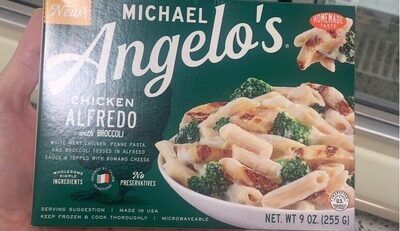 Michael Angelo's Gourmet Foods, Inc
Chicken Alfredo With Broccoli White Meat Chicken, Penne Pasta, And Broccoli Tossed In Alfredo Sauce & Topped With Romano Cheese, Chicken Alfredo With Broccoli
High in sodium — 33% DV per serving
High in saturated fat — 35% DV per serving
High in cholesterol — 20% DV per serving
161kcal
9.8Protein
5.5Fat
18.4Carbs
Michael Angelo's Gourmet Foods, Inc
Chicken Alfredo With Broccoli White Meat Chicken, Penne Pasta, And Broccoli Tossed In Alfredo Sauce & Topped With Romano Cheese, Chicken Alfredo With Broccoli
High in sodium — 33% DV per serving
High in saturated fat — 35% DV per serving
High in cholesterol — 20% DV per serving
161kcal
9.8Protein
5.5Fat
18.4Carbs
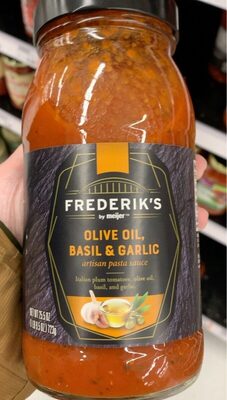 Meijer, Inc.
Olive Oil, Basil & Garlic Artisan Pasta Sauce, Olive Oil, Basil & Garlic
High in sodium — 20% DV per serving
64kcal
0.8Protein
4Fat
6.4Carbs
Meijer, Inc.
Olive Oil, Basil & Garlic Artisan Pasta Sauce, Olive Oil, Basil & Garlic
High in sodium — 20% DV per serving
64kcal
0.8Protein
4Fat
6.4Carbs