Bay Extract
What is Bay Extract?
Bay extract is derived from the leaves of the bay laurel tree (Laurus nobilis), native to the Mediterranean region. The extract is typically produced by steam distillation or solvent extraction of the dried leaves to capture their aromatic compounds.
Is Bay Extract vegan?
Bay Extract is not animal-derived. Products that contain it can still include other animal-derived ingredients, so check the full ingredient list.
Is Bay Extract gluten-free?
It does not contain gluten.
Is Bay Extract a major allergen?
Bay extract is not derived from any of the 9 major allergens.
What is Bay Extract used for?
Bay extract is primarily used as a flavoring agent in foods and beverages.
Is Bay Extract safe?
Bay extract is generally recognized as safe (GRAS) by the FDA for use as a food flavoring.
Why it's used
Bay extract is primarily used as a flavoring agent in foods and beverages. It imparts a warm, slightly bitter, and aromatic note, often found in savory dishes like soups, stews, and marinades, as well as some baked goods and beverages.
Health notes
Bay extract is generally recognized as safe (GRAS) by the FDA for use as a food flavoring. It is not typically consumed in large quantities, and at levels used in food, it is not associated with adverse health effects. Regulatory bodies like JECFA have evaluated flavorings, but specific evaluations for bay extract are not widely publicized.
Allergen info
Bay extract is not derived from any of the 9 major allergens. It does not contain gluten.
Foods that contain Bay Extract
Compare products →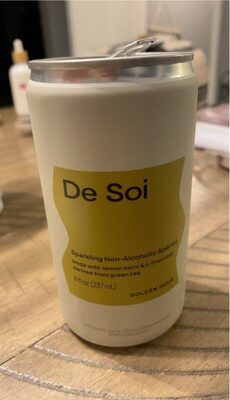
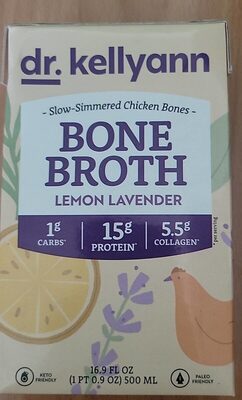
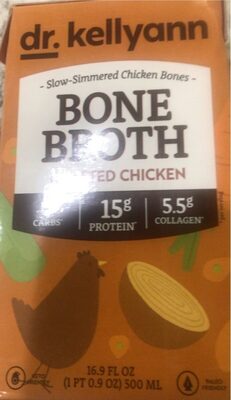
Learn more
Auto-generated content. This description was generated automatically and is pending editorial review. Inaccuracies are possible. Found a mistake? Contact us.