Belgian Unsweetened Chocolate Processed With Alkali
Auto-generated content. This description was generated automatically and is pending editorial review. Inaccuracies are possible. Found a mistake? Contact us.
What it is
This ingredient is unsweetened chocolate that has been treated with an alkali, a process also known as "Dutching." The alkali treatment darkens the color of the chocolate and mellows its flavor, making it less bitter. It is made from cocoa beans, which are fermented, dried, roasted, and ground into a paste called chocolate liquor.
Why it's used
Manufacturers use Dutch-processed cocoa for its deep, rich color and smoother, less acidic flavor in baked goods and confectionery. It is commonly found in cakes, cookies, brownies, and as a flavoring in ice cream and beverages.
Health notes
Belgian Unsweetened Chocolate Processed With Alkali is generally recognized as safe (GRAS) by the FDA when used as a food ingredient. Cocoa and cocoa products contain flavanols, which are plant compounds that may have antioxidant properties. Research into the health effects of flavanols is ongoing, with some studies suggesting potential benefits for heart health, while others show mixed results. The Joint FAO/WHO Expert Committee on Food Additives (JECFA) has evaluated cocoa and cocoa products.
Allergen info
Chocolate is not derived from any of the 9 FDA major allergens. It does not contain gluten.
Products containing Belgian Unsweetened Chocolate Processed With Alkali
Compare products →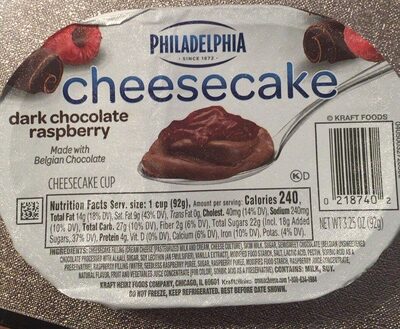 Kraft Heinz Foods Company
Dark Chocolate Raspberry Cheesecake Cup, Dark Chocolate Raspberry
High in saturated fat — 45% DV per serving
High in added sugars — 36% DV per serving
261kcal
4.3Protein
15.2Fat
29.4Carbs
John Kelly Foods, Inc.
John Kelly Chocolates, Dark Chocolate Butterfly, Vanilla Butter Caramel, Roasted Almonds And Sea Salt, Vanilla Butter Caramel, Roasted Almonds And Sea Salt
High in saturated fat — 65% DV per serving
500kcal
5.9Protein
33.8Fat
55.9Carbs
Oberto Sausage Company
Trail Mix, Teriyaki Chicken
421kcal
21.1Protein
24.6Fat
31.6Carbs
Oberto Sausage Company
Trail Mix, Original Beef
High in saturated fat — 22% DV per serving
474kcal
21.1Protein
33.3Fat
31.6Carbs
Zingerman's Coffee Co.
Chocolate Almond Egg Fudge
High in saturated fat — 22% DV per serving
400kcal
3.3Protein
15Fat
65Carbs
Kraft Heinz Foods Company
Dark Chocolate Raspberry Cheesecake Cup, Dark Chocolate Raspberry
High in saturated fat — 45% DV per serving
High in added sugars — 36% DV per serving
261kcal
4.3Protein
15.2Fat
29.4Carbs
John Kelly Foods, Inc.
John Kelly Chocolates, Dark Chocolate Butterfly, Vanilla Butter Caramel, Roasted Almonds And Sea Salt, Vanilla Butter Caramel, Roasted Almonds And Sea Salt
High in saturated fat — 65% DV per serving
500kcal
5.9Protein
33.8Fat
55.9Carbs
Oberto Sausage Company
Trail Mix, Teriyaki Chicken
421kcal
21.1Protein
24.6Fat
31.6Carbs
Oberto Sausage Company
Trail Mix, Original Beef
High in saturated fat — 22% DV per serving
474kcal
21.1Protein
33.3Fat
31.6Carbs
Zingerman's Coffee Co.
Chocolate Almond Egg Fudge
High in saturated fat — 22% DV per serving
400kcal
3.3Protein
15Fat
65Carbs