Benzaldehyde
What is Benzaldehyde?
Benzaldehyde is a clear liquid with a strong, sweet smell that resembles almonds. It occurs naturally in many foods, including apricots, cherries, and almonds. It can also be produced synthetically.
Is Benzaldehyde vegan?
Benzaldehyde is not animal-derived. Products that contain it can still include other animal-derived ingredients, so check the full ingredient list.
Is Benzaldehyde gluten-free?
It does not contain gluten.
Is Benzaldehyde a major allergen?
Benzaldehyde is not derived from any of the nine FDA major allergens.
What is Benzaldehyde used for?
Manufacturers use benzaldehyde primarily as a flavoring agent to impart an almond-like taste.
Is Benzaldehyde safe?
Benzaldehyde is generally recognized as safe (GRAS) by the FDA for use as a food flavoring.
Why it's used
Manufacturers use benzaldehyde primarily as a flavoring agent to impart an almond-like taste. It is found in a variety of baked goods, candies, and beverages.
Health notes
Benzaldehyde is generally recognized as safe (GRAS) by the FDA for use as a food flavoring. The Joint FAO/WHO Expert Committee on Food Additives (JECFA) has evaluated benzaldehyde and established an acceptable daily intake. At typical consumption levels, it is not associated with adverse health effects. There are no widespread controversies regarding its use.
Allergen info
Benzaldehyde is not derived from any of the nine FDA major allergens. It does not contain gluten.
Foods that contain Benzaldehyde
Compare products →
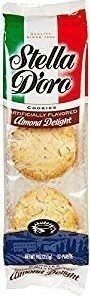
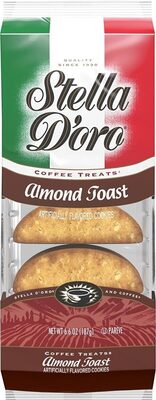
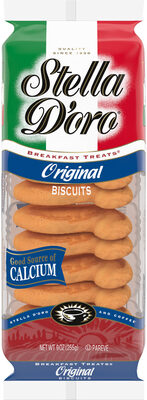 Stella Doro
Stella D'oro Cookies Original Breakfast Treats, 9 Oz
381kcal
4.8Protein
9.5Fat
66.7Carbs
Learn more
Auto-generated content. This description was generated automatically and is pending editorial review. Inaccuracies are possible. Found a mistake? Contact us.