Beta Caroten
What is Beta Caroten?
Beta carotene is a pigment found naturally in many fruits and vegetables, giving them their orange and yellow colors. It is often produced commercially through chemical synthesis or extracted from sources like algae or carrots. In the body, beta carotene can be converted into vitamin A.
Is Beta Caroten vegan?
Beta Caroten is not animal-derived. Products that contain it can still include other animal-derived ingredients, so check the full ingredient list.
Is Beta Caroten gluten-free?
It does not contain gluten.
Is Beta Caroten a major allergen?
Beta carotene is not derived from any of the nine FDA major allergens.
What is Beta Caroten used for?
Manufacturers use beta carotene primarily as a coloring agent to give foods a yellow to orange hue, mimicking natural colors.
Is Beta Caroten safe?
Beta carotene is generally recognized as safe (GRAS) by the FDA for use as a food coloring and nutrient.
Why it's used
Manufacturers use beta carotene primarily as a coloring agent to give foods a yellow to orange hue, mimicking natural colors. It is commonly found in products like margarine, butter, cheese, ice cream, and beverages. It can also be used to fortify foods with vitamin A.
Health notes
Beta carotene is generally recognized as safe (GRAS) by the FDA for use as a food coloring and nutrient. It is an important antioxidant, and studies suggest it may play a role in maintaining healthy vision and immune function. The Joint FAO/WHO Expert Committee on Food Additives (JECFA) has evaluated beta carotene. While high doses of beta carotene supplements have been linked to an increased risk of lung cancer in smokers, this is not typically a concern with dietary intake from food sources.
Allergen info
Beta carotene is not derived from any of the nine FDA major allergens. It does not contain gluten.
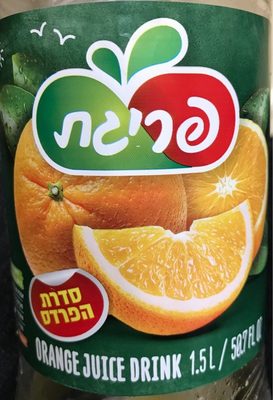
Foods that contain Beta Caroten
Compare products →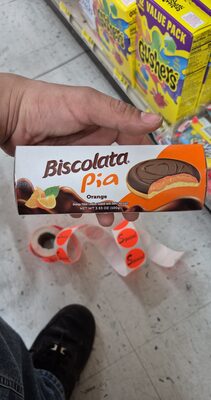
Learn more
Auto-generated content. This description was generated automatically and is pending editorial review. Inaccuracies are possible. Found a mistake? Contact us.