Beta Carotene And Paprika
What is Beta Carotene And Paprika?
Beta carotene and paprika are natural colorants. Beta carotene is a pigment found in carrots and other fruits and vegetables, which the body can convert to vitamin A. Paprika is made from ground dried peppers, giving a red to orange-red color.
Is Beta Carotene And Paprika vegan?
Beta Carotene And Paprika is not animal-derived. Products that contain it can still include other animal-derived ingredients, so check the full ingredient list.
Is Beta Carotene And Paprika gluten-free?
Neither is related to gluten.
Is Beta Carotene And Paprika a major allergen?
Not a major allergen.
What is Beta Carotene And Paprika used for?
These ingredients are used to add or enhance color in foods, providing shades from yellow to orange and red.
Is Beta Carotene And Paprika safe?
Beta carotene is a well-known antioxidant and a precursor to vitamin A.
Why it's used
These ingredients are used to add or enhance color in foods, providing shades from yellow to orange and red. They are often found in baked goods, snacks, and processed foods where a specific visual appeal is desired.
Health notes
Beta carotene is a well-known antioxidant and a precursor to vitamin A. The FDA considers beta carotene safe for use as a color additive. Paprika extract is also approved by the FDA as a color additive. Both are generally recognized as safe (GRAS) when used as food ingredients. No specific health concerns are associated with typical dietary intake of these natural colorants.
Allergen info
Not a major allergen. Beta carotene is derived from plants. Paprika is derived from peppers. Neither is related to gluten.
Foods that contain Beta Carotene And Paprika
Compare products →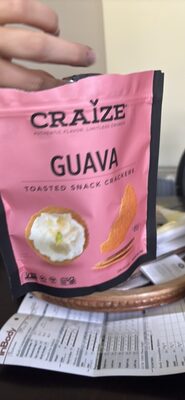
Learn more
Auto-generated content. This description was generated automatically and is pending editorial review. Inaccuracies are possible. Found a mistake? Contact us.