Beta Carotene Blend
What is Beta Carotene Blend?
Beta carotene is a pigment found in many fruits and vegetables, such as carrots and sweet potatoes. It is often produced commercially through chemical synthesis or extracted from natural sources like algae or fungi. In the body, beta carotene can be converted into vitamin A.
Is Beta Carotene Blend vegan?
Beta Carotene Blend is not animal-derived. Products that contain it can still include other animal-derived ingredients, so check the full ingredient list.
Is Beta Carotene Blend gluten-free?
It does not contain gluten.
Is Beta Carotene Blend a major allergen?
Beta carotene is not a major allergen.
What is Beta Carotene Blend used for?
Beta carotene is primarily used as a food colorant, providing yellow, orange, or red hues.
Is Beta Carotene Blend safe?
Beta carotene is generally recognized as safe (GRAS) by the FDA for use as a food additive.
Why it's used
Beta carotene is primarily used as a food colorant, providing yellow, orange, or red hues. It is added to a variety of processed foods to enhance their visual appeal. You can find it in baked goods, dairy products, and ready-made meals.
Health notes
Beta carotene is generally recognized as safe (GRAS) by the FDA for use as a food additive. It is a source of vitamin A, which is essential for vision, immune function, and skin health. High intakes of beta carotene from food sources are not associated with toxicity, though very high supplemental doses can cause skin yellowing. JECFA and EFSA have evaluated beta carotene, and it is permitted for use in many countries.
Allergen info
Beta carotene is not a major allergen. It does not contain gluten.
Foods that contain Beta Carotene Blend
Compare products →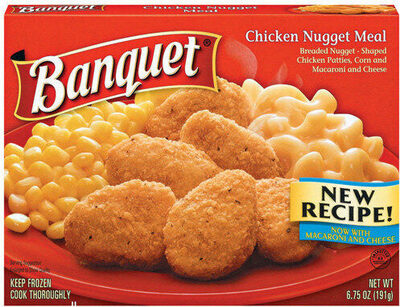 Conagra Brands
BANQUET Chicken Nugget Meal, 6.75 OZ
High in sodium — 27% DV per serving
High in saturated fat — 20% DV per serving
168kcal
7.3Protein
7.8Fat
16.2Carbs
Conagra Brands
BANQUET Chicken Fingers Meal, 7.1 OZ
High in sodium — 30% DV per serving
High in saturated fat — 23% DV per serving
239kcal
8.5Protein
10.4Fat
27.9Carbs
Conagra Brands
BANQUET Cheesy Mac And Beef Dinner
High in sodium — 33% DV per serving
115kcal
4.4Protein
2.6Fat
17.2Carbs
Conagra Frozen Foods
Banquet, Mac & Cheese Bites, Banquet, Mac & Cheese Bites
High in sodium — 21% DV per serving
271kcal
7.1Protein
11.8Fat
32.9Carbs
Conagra Brands
BANQUET Chicken Nugget Meal, 6.75 OZ
High in sodium — 27% DV per serving
High in saturated fat — 20% DV per serving
168kcal
7.3Protein
7.8Fat
16.2Carbs
Conagra Brands
BANQUET Chicken Fingers Meal, 7.1 OZ
High in sodium — 30% DV per serving
High in saturated fat — 23% DV per serving
239kcal
8.5Protein
10.4Fat
27.9Carbs
Conagra Brands
BANQUET Cheesy Mac And Beef Dinner
High in sodium — 33% DV per serving
115kcal
4.4Protein
2.6Fat
17.2Carbs
Conagra Frozen Foods
Banquet, Mac & Cheese Bites, Banquet, Mac & Cheese Bites
High in sodium — 21% DV per serving
271kcal
7.1Protein
11.8Fat
32.9Carbs
Learn more
Auto-generated content. This description was generated automatically and is pending editorial review. Inaccuracies are possible. Found a mistake? Contact us.