Bilberry
Auto-generated content. This description was generated automatically and is pending editorial review. Inaccuracies are possible. Found a mistake? Contact us.
What it is
Bilberry is a small, dark blue berry native to Northern Europe, similar to the blueberry. It is often consumed fresh, dried, or as a juice. The berries are typically harvested from wild bushes and can be processed into various food products.
Why it's used
Bilberry is used as a flavoring and coloring agent in foods and beverages. Its vibrant color and slightly tart, sweet flavor make it a popular addition to teas, juices, jams, and baked goods. It is also found in dietary supplements due to its perceived health benefits.
Health notes
Bilberries are a source of anthocyanins, which are antioxidants. Some research suggests potential benefits for eye health and cardiovascular function, but more robust studies are needed. The European Food Safety Authority (EFSA) has evaluated bilberry extracts. In the US, bilberry is generally recognized as safe (GRAS) for use in food.
Allergen info
Bilberry is not one of the nine FDA major allergens. It does not contain gluten.
Products containing Bilberry
Compare products →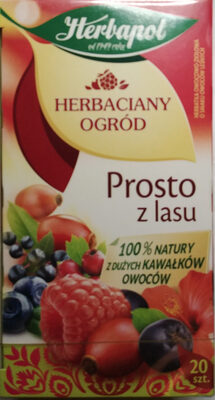 HERBAPOL
Fruit And Herbal Tea, Fruit And Herbal
0kcal
0Protein
0Fat
0Carbs
MILLENNIUM PRODUCTS
Organic Raw Kombucha, Bilberry
12kcal
0Protein
0Fat
2.9Carbs
Wegmans Food Markets, Inc.
Pomegranate Acai Berry Zero Vitamin Infused Water, Pomegranate Acai Berry
0kcal
0Protein
0Fat
0.2Carbs
Pacifichealth Laboratories, Inc.
Grape Energy Shot, Grape
68kcal
2.7Protein
0Fat
12.2Carbs
Wegmans Food Markets, Inc.
Pomegranate Acai Berry Flavored Zero Vitamin Infused Water, Pomegranate Acai Berry
0kcal
0Protein
0Fat
0.2Carbs
Wegmans Food Markets, Inc.
Pomegranate Acai Berry Flavored Zero Vitamin Infused Water, Pomegranate Acai Berry
0kcal
0Protein
0Fat
0.2Carbs
Kate Farms, Inc.
Meal Replacement Shake, Vanilla
89kcal
4.9Protein
2.5Fat
12.6Carbs
Kate Farms, Inc.
Meal Replacement Shake, Coffee
92kcal
4.9Protein
2.5Fat
13.2Carbs
Kate Farms, Inc.
Meal Replacement Shake, Chocolate
95kcal
5.5Protein
2.8Fat
13.2Carbs
Wal-Mart Stores, Inc.
Coconut Flavored Antioxidant Beverage, Coconut
3kcal
0Protein
0Fat
0.7Carbs
Wal-Mart Stores, Inc.
Pineapple Pomegranate Flavored Antioxidant Beverage, Pineapple Pomegranate
3kcal
0Protein
0Fat
0.7Carbs
Wal-Mart Stores, Inc.
Blueberry Passion Fruit Flavored Antioxidant Beverage, Blueberry Passion Fruit
3kcal
0Protein
0Fat
0.8Carbs
HERBAPOL
Fruit And Herbal Tea, Fruit And Herbal
0kcal
0Protein
0Fat
0Carbs
MILLENNIUM PRODUCTS
Organic Raw Kombucha, Bilberry
12kcal
0Protein
0Fat
2.9Carbs
Wegmans Food Markets, Inc.
Pomegranate Acai Berry Zero Vitamin Infused Water, Pomegranate Acai Berry
0kcal
0Protein
0Fat
0.2Carbs
Pacifichealth Laboratories, Inc.
Grape Energy Shot, Grape
68kcal
2.7Protein
0Fat
12.2Carbs
Wegmans Food Markets, Inc.
Pomegranate Acai Berry Flavored Zero Vitamin Infused Water, Pomegranate Acai Berry
0kcal
0Protein
0Fat
0.2Carbs
Wegmans Food Markets, Inc.
Pomegranate Acai Berry Flavored Zero Vitamin Infused Water, Pomegranate Acai Berry
0kcal
0Protein
0Fat
0.2Carbs
Kate Farms, Inc.
Meal Replacement Shake, Vanilla
89kcal
4.9Protein
2.5Fat
12.6Carbs
Kate Farms, Inc.
Meal Replacement Shake, Coffee
92kcal
4.9Protein
2.5Fat
13.2Carbs
Kate Farms, Inc.
Meal Replacement Shake, Chocolate
95kcal
5.5Protein
2.8Fat
13.2Carbs
Wal-Mart Stores, Inc.
Coconut Flavored Antioxidant Beverage, Coconut
3kcal
0Protein
0Fat
0.7Carbs
Wal-Mart Stores, Inc.
Pineapple Pomegranate Flavored Antioxidant Beverage, Pineapple Pomegranate
3kcal
0Protein
0Fat
0.7Carbs
Wal-Mart Stores, Inc.
Blueberry Passion Fruit Flavored Antioxidant Beverage, Blueberry Passion Fruit
3kcal
0Protein
0Fat
0.8Carbs