Black Carrot
What is Black Carrot?
Black carrot is a variety of carrot that is naturally deep purple or black in color. It is grown and harvested like other carrots. The intense color comes from anthocyanins, the same pigments found in blueberries and red wine.
Is Black Carrot vegan?
Black Carrot is not animal-derived. Products that contain it can still include other animal-derived ingredients, so check the full ingredient list.
Is Black Carrot gluten-free?
It does not contain gluten.
Is Black Carrot a major allergen?
Black carrot is not a major allergen.
What is Black Carrot used for?
Black carrot extract is used as a natural food coloring, providing red, purple, and blue hues depending on the pH.
Is Black Carrot safe?
Black carrot extract is recognized as safe by the FDA for use as a food coloring.
Why it's used
Black carrot extract is used as a natural food coloring, providing red, purple, and blue hues depending on the pH. Manufacturers use it in candies, beverages, dairy products, and baked goods to achieve vibrant colors without artificial dyes.
Health notes
Black carrot extract is recognized as safe by the FDA for use as a food coloring. It is generally considered safe when consumed as part of a normal diet. Regulatory bodies like EFSA have evaluated anthocyanins and found them to be safe. Research suggests anthocyanins may have antioxidant properties, but more studies are needed to confirm health benefits in humans.
Allergen info
Black carrot is not a major allergen. It does not contain gluten.
Foods that contain Black Carrot
Compare products →



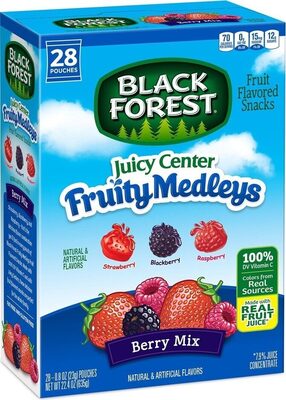
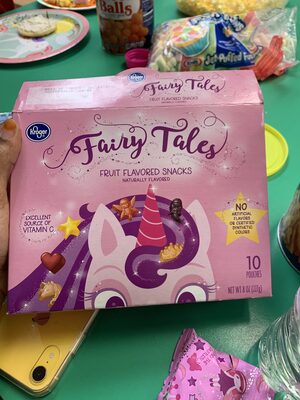



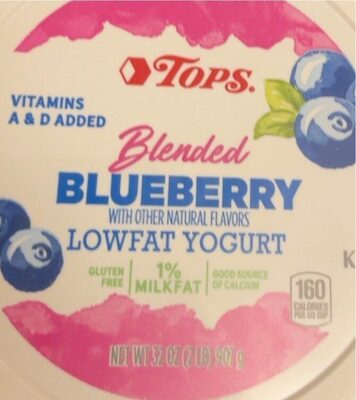



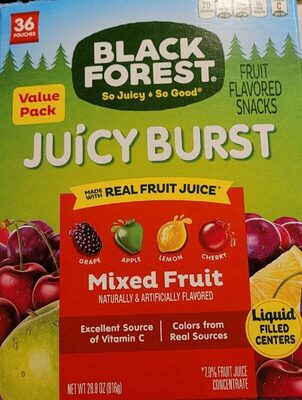
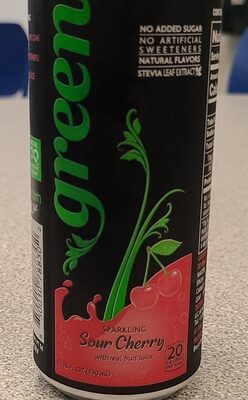



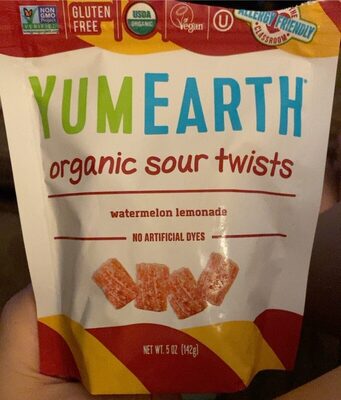
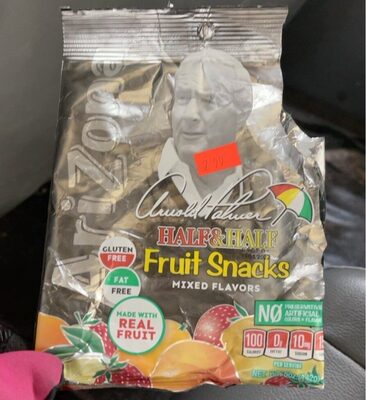
Learn more
Auto-generated content. This description was generated automatically and is pending editorial review. Inaccuracies are possible. Found a mistake? Contact us.