Black Cocoa
What is Black Cocoa?
Black cocoa is a type of cocoa powder that has been alkalized, or Dutch-processed, to a higher pH than standard cocoa powder. This process darkens the cocoa's color and mellows its flavor, reducing its acidity and bitterness. It is made from cocoa beans that have been roasted, fermented, and then treated with an alkaline solution.
Is Black Cocoa vegan?
Black Cocoa is not animal-derived. Products that contain it can still include other animal-derived ingredients, so check the full ingredient list.
Is Black Cocoa gluten-free?
It does not contain gluten.
Is Black Cocoa a major allergen?
Black cocoa is derived from cocoa beans and is not a major allergen.
What is Black Cocoa used for?
Black cocoa is primarily used to impart a deep, dark color to baked goods and confectionery.
Is Black Cocoa safe?
Black cocoa is generally recognized as safe (GRAS) by the FDA for use as a food ingredient.
Why it's used
Black cocoa is primarily used to impart a deep, dark color to baked goods and confectionery. Its mild flavor makes it ideal for products where a strong chocolate taste is desired without the sharpness of natural cocoa. It is commonly found in cakes, cookies, ice cream, and frosting.
Health notes
Black cocoa is generally recognized as safe (GRAS) by the FDA for use as a food ingredient. As a processed cocoa product, it contains flavonoids, which are antioxidants. JECFA has evaluated cocoa and cocoa products, establishing acceptable daily intakes for certain components. The health effects of black cocoa at typical consumption levels are not a significant concern.
Allergen info
Black cocoa is derived from cocoa beans and is not a major allergen. It does not contain gluten.
Foods that contain Black Cocoa
Compare products →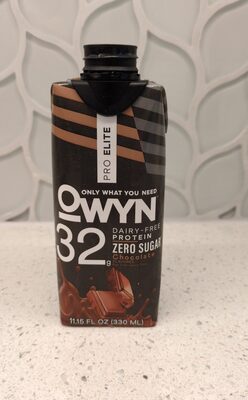
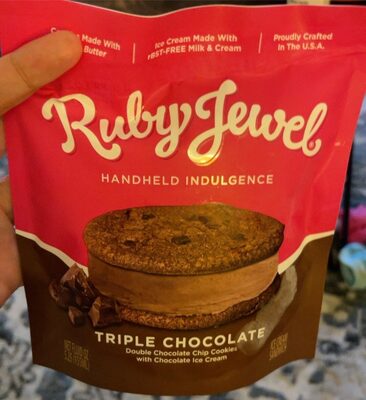


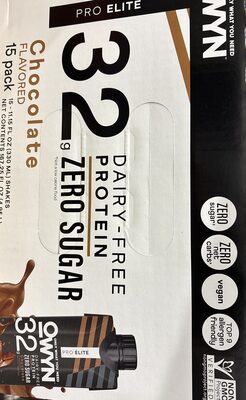
Learn more
Auto-generated content. This description was generated automatically and is pending editorial review. Inaccuracies are possible. Found a mistake? Contact us.