Black Mustard Seed
What is Black Mustard Seed?
Black mustard seed comes from the *Brassica nigra* plant, native to North Africa and the Mediterranean. The seeds are small, round, and black or dark brown. They are typically dried and used whole or ground into powder for culinary purposes.
Is Black Mustard Seed vegan?
Black Mustard Seed is not animal-derived. Products that contain it can still include other animal-derived ingredients, so check the full ingredient list.
Is Black Mustard Seed a major allergen?
Mustard is one of the 9 FDA major allergens.
What is Black Mustard Seed used for?
Mustard seeds are primarily used as a spice to add a pungent, sharp flavor to foods.
Is Black Mustard Seed safe?
Black mustard seed is generally recognized as safe (GRAS) by the FDA for use as a food ingredient.
Why it's used
Mustard seeds are primarily used as a spice to add a pungent, sharp flavor to foods. They are a key ingredient in mustard condiments, pickles, relishes, and salad dressings. Ground mustard can also act as an emulsifier in sauces and marinades.
Health notes
Black mustard seed is generally recognized as safe (GRAS) by the FDA for use as a food ingredient. It is a common spice and is not associated with adverse health effects when consumed in typical amounts. International bodies like JECFA and EFSA have evaluated mustard and its derivatives. Research is ongoing into the potential health benefits of compounds found in mustard seeds, such as glucosinolates.
Allergen info
Mustard is one of the 9 FDA major allergens. Individuals with a mustard allergy should avoid products containing mustard seed.
Foods that contain Black Mustard Seed
Compare products →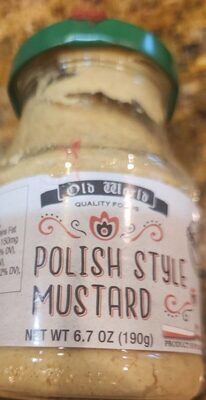
Learn more
Auto-generated content. This description was generated automatically and is pending editorial review. Inaccuracies are possible. Found a mistake? Contact us.