Black Pepper Used For Coating
What is Black Pepper Used For Coating?
Black pepper is the dried berry of the Piper nigrum vine, native to South Asia. It is typically harvested when unripe and then dried, causing the skin to darken and wrinkle. It is ground into a powder or used whole as a spice.
Is Black Pepper Used For Coating vegan?
Black Pepper Used For Coating is not animal-derived. Products that contain it can still include other animal-derived ingredients, so check the full ingredient list.
Is Black Pepper Used For Coating gluten-free?
Black pepper is not one of the 9 FDA major allergens and does not contain gluten.
What is Black Pepper Used For Coating used for?
Black pepper is primarily used as a spice and flavoring agent in a wide variety of foods, from savory dishes to baked goods.
Is Black Pepper Used For Coating safe?
Black pepper is generally recognized as safe (GRAS) by the FDA for use as a food ingredient.
Why it's used
Black pepper is primarily used as a spice and flavoring agent in a wide variety of foods, from savory dishes to baked goods. Manufacturers use it to add a pungent, slightly spicy flavor and aroma. It is commonly found in processed meats, sauces, soups, and spice blends.
Health notes
Black pepper is generally recognized as safe (GRAS) by the FDA for use as a food ingredient. It contains piperine, which is being studied for potential health effects, though research is ongoing and not conclusive. JECFA has evaluated black pepper and found no safety concerns at typical consumption levels. No specific upper intake limits have been set by regulatory bodies for typical dietary intake.
Allergen info
Black pepper is not one of the 9 FDA major allergens and does not contain gluten.
Foods that contain Black Pepper Used For Coating
Compare products →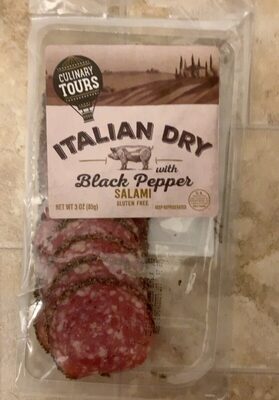 CULINARY TOURS
Italian Dry Salami With Black Pepper, Black Pepper
High in sodium — 21% DV per serving
321kcal
28.6Protein
25Fat
0Carbs
CULINARY TOURS
Italian Dry Salami With Black Pepper, Black Pepper
High in sodium — 21% DV per serving
321kcal
28.6Protein
25Fat
0Carbs
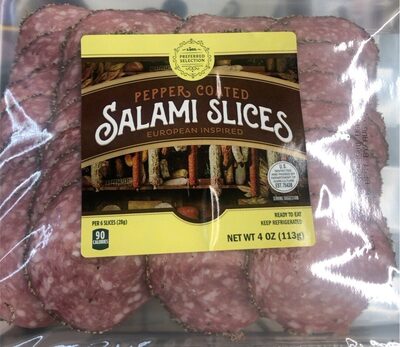 LIDL
Pepper Coated Salami Slices, Pepper
High in sodium — 21% DV per serving
321kcal
28.6Protein
25Fat
0Carbs
Fratelli Beretta, Usa, Inc.
Pepper Coated Salami, Pepper
High in sodium — 21% DV per serving
321kcal
28.6Protein
25Fat
0Carbs
LIDL
Pepper Coated Salami Slices, Pepper
High in sodium — 21% DV per serving
321kcal
28.6Protein
25Fat
0Carbs
Fratelli Beretta, Usa, Inc.
Pepper Coated Salami, Pepper
High in sodium — 21% DV per serving
321kcal
28.6Protein
25Fat
0Carbs
Learn more
Auto-generated content. This description was generated automatically and is pending editorial review. Inaccuracies are possible. Found a mistake? Contact us.