Black Sesame Powder
What is Black Sesame Powder?
Black sesame powder is made from ground black sesame seeds. Sesame seeds are tiny oilseeds that grow in pods on the flowering plant *Sesamum indicum*. The seeds are typically roasted before being ground into a powder, which releases their nutty flavor and aroma.
Is Black Sesame Powder vegan?
Black Sesame Powder is not animal-derived. Products that contain it can still include other animal-derived ingredients, so check the full ingredient list.
Is Black Sesame Powder a major allergen?
Sesame is one of the 9 major allergens recognized by the FDA.
What is Black Sesame Powder used for?
Manufacturers use black sesame powder primarily as a flavoring agent, adding a rich, nutty taste and a dark color to foods.
Is Black Sesame Powder safe?
Black sesame powder is generally recognized as safe (GRAS) by the FDA when used as a food ingredient.
Why it's used
Manufacturers use black sesame powder primarily as a flavoring agent, adding a rich, nutty taste and a dark color to foods. It is often found in baked goods, desserts, and beverages, as well as in savory dishes like rice and noodle preparations.
Health notes
Black sesame powder is generally recognized as safe (GRAS) by the FDA when used as a food ingredient. It is a source of nutrients like calcium, iron, and fiber. While generally considered healthy in moderation, there are no specific upper intake limits set by regulatory bodies like JECFA or EFSA for sesame powder itself. Evidence does not suggest significant health concerns at typical dietary levels.
Allergen info
Sesame is one of the 9 major allergens recognized by the FDA. Black sesame powder is derived from sesame seeds.
Foods that contain Black Sesame Powder
Compare products →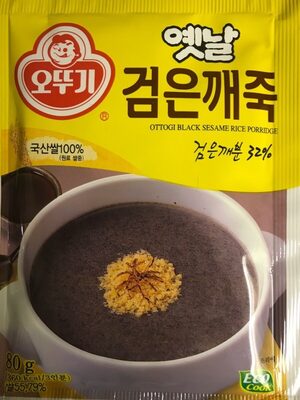 OTTOGI CO.,LTD.
Ottogi, Black Sesame Rice Porridge
High in sodium — 27% DV per serving
438kcal
12.5Protein
18.8Fat
59.4Carbs
OTTOGI CO.,LTD.
Ottogi, Black Sesame Rice Porridge
High in sodium — 27% DV per serving
438kcal
12.5Protein
18.8Fat
59.4Carbs
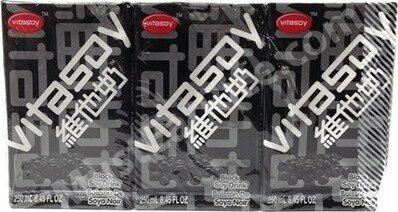 VITASOY INTERNATIONAL HOLDINGS LTD
Black Soy Drink
56kcal
2.4Protein
1.6Fat
8Carbs
A-SHA FOODS ENTERPRISE CO., LTD.
Black Sesame
High in sodium — 39% DV per serving
356kcal
12.9Protein
6Fat
62Carbs
VITASOY INTERNATIONAL HOLDINGS LTD
Black Soy Drink
56kcal
2.4Protein
1.6Fat
8Carbs
VITASOY INTERNATIONAL HOLDINGS LTD
Black Soy Drink
56kcal
2.4Protein
1.6Fat
8Carbs
A-SHA FOODS ENTERPRISE CO., LTD.
Black Sesame
High in sodium — 39% DV per serving
356kcal
12.9Protein
6Fat
62Carbs
VITASOY INTERNATIONAL HOLDINGS LTD
Black Soy Drink
56kcal
2.4Protein
1.6Fat
8Carbs
Learn more
Auto-generated content. This description was generated automatically and is pending editorial review. Inaccuracies are possible. Found a mistake? Contact us.