Black Tea
What is Black Tea?
Black tea comes from the leaves of the Camellia sinensis plant. It is the most oxidized type of tea, giving it a darker color and bolder flavor compared to green or white teas. The leaves are withered, rolled, oxidized, and then dried.
Is Black Tea vegan?
Black Tea is not animal-derived. Products that contain it can still include other animal-derived ingredients, so check the full ingredient list.
Is Black Tea gluten-free?
It does not contain gluten.
Is Black Tea a major allergen?
Black tea is not derived from any of the FDA's 9 major allergens.
What is Black Tea used for?
Black tea is primarily used as a flavoring agent in beverages like iced tea and bottled tea drinks.
Is Black Tea safe?
Black tea is generally recognized as safe (GRAS) by the FDA for use as a food ingredient.
Why it's used
Black tea is primarily used as a flavoring agent in beverages like iced tea and bottled tea drinks. It provides a distinct, robust taste that is often enjoyed on its own or mixed with other ingredients. Manufacturers use it to create ready-to-drink tea products.
Health notes
Black tea is generally recognized as safe (GRAS) by the FDA for use as a food ingredient. It contains antioxidants, such as flavonoids, which may have health benefits. Regulatory bodies like EFSA have evaluated tea and its components. Evidence on the long-term health effects of regular tea consumption is mixed, with some studies suggesting potential benefits for heart health and others noting concerns about caffeine intake.
Allergen info
Black tea is not derived from any of the FDA's 9 major allergens. It does not contain gluten.
Foods that contain Black Tea
Compare products →
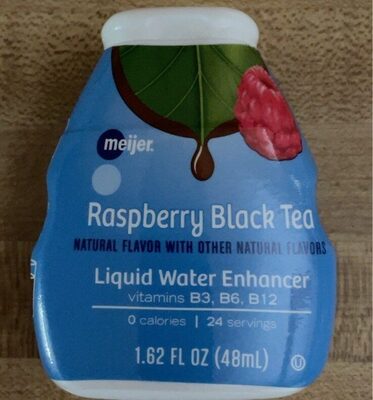
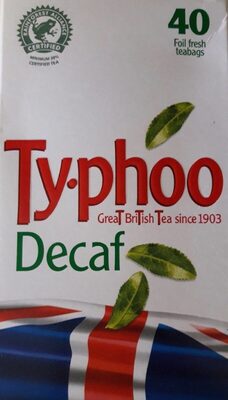








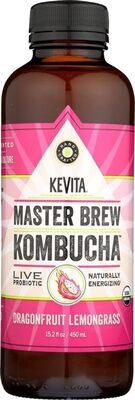

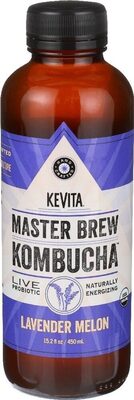
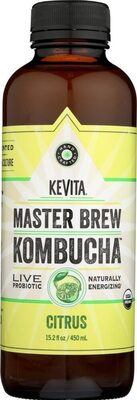
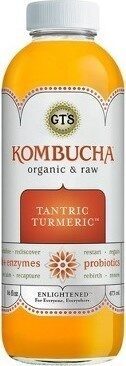
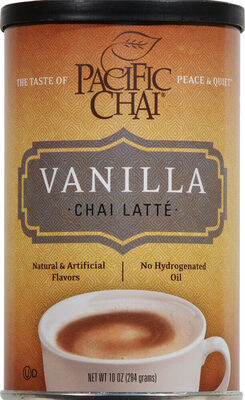
Learn more
Auto-generated content. This description was generated automatically and is pending editorial review. Inaccuracies are possible. Found a mistake? Contact us.