Blackcurrant
What is Blackcurrant?
Blackcurrant is a small, dark purple berry that grows on a shrub native to temperate regions of Europe and Asia. The berries are tart and flavorful, and are often processed into juices, jams, and other food products. They are a good source of vitamin C and antioxidants.
Is Blackcurrant vegan?
Blackcurrant is not animal-derived. Products that contain it can still include other animal-derived ingredients, so check the full ingredient list.
Is Blackcurrant gluten-free?
It does not contain gluten.
Is Blackcurrant a major allergen?
Blackcurrant is not one of the nine major allergens identified by the FDA.
What is Blackcurrant used for?
Blackcurrant is used as a natural flavor and colorant in a variety of foods and beverages.
Is Blackcurrant safe?
Blackcurrant extract is generally recognized as safe (GRAS) by the FDA for use as a flavoring agent.
Why it's used
Blackcurrant is used as a natural flavor and colorant in a variety of foods and beverages. It is commonly found in candies, baked goods, dairy products, and drinks like soda and juice. Its intense flavor and deep color make it a popular choice for adding a fruity note and visual appeal.
Health notes
Blackcurrant extract is generally recognized as safe (GRAS) by the FDA for use as a flavoring agent. The berries themselves are a natural food source. International bodies like EFSA have evaluated blackcurrant and its components, and JECFA has evaluated some of its constituents. Typical intake from food sources is not associated with adverse health effects.
Allergen info
Blackcurrant is not one of the nine major allergens identified by the FDA. It does not contain gluten.
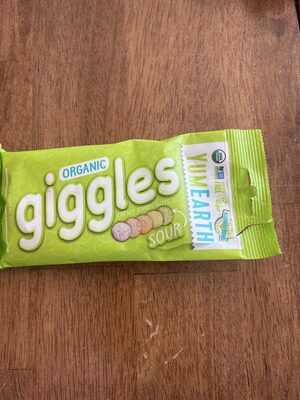
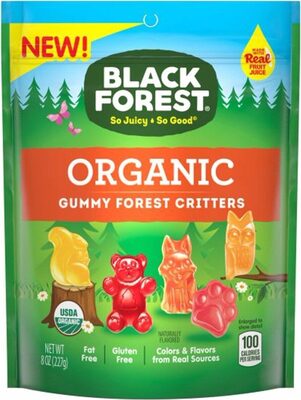
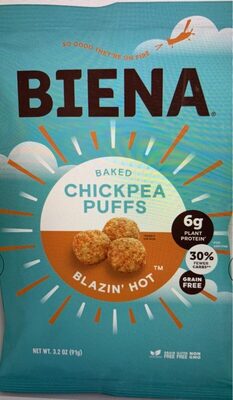
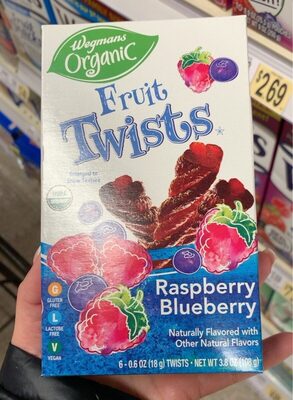
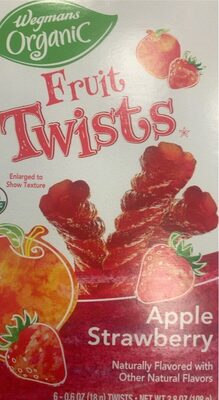
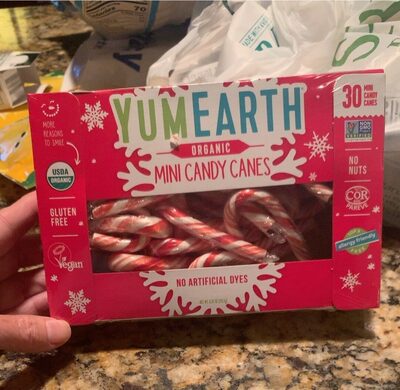
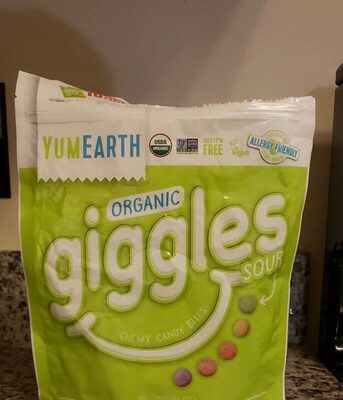
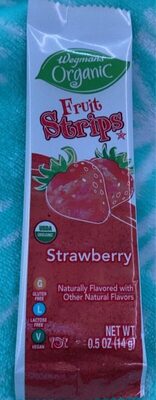
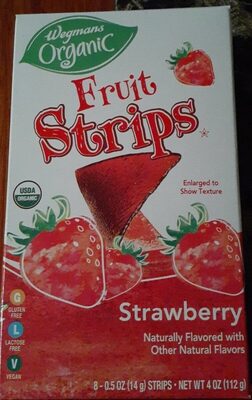
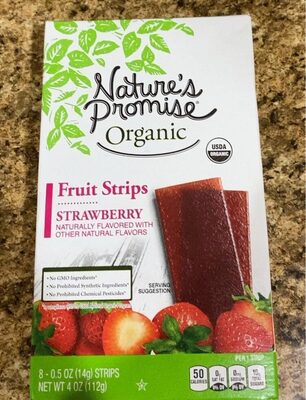
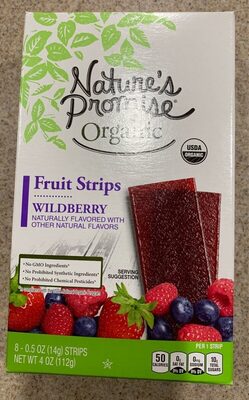
Foods that contain Blackcurrant
Compare products →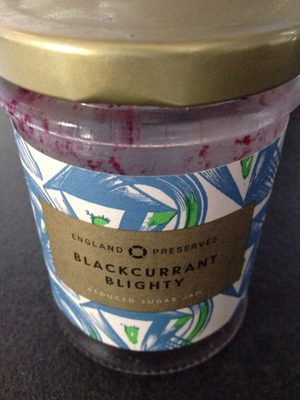


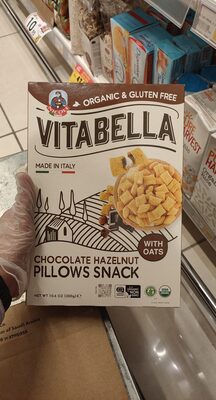
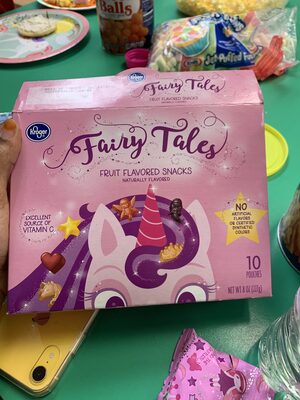

Auto-generated content. This description was generated automatically and is pending editorial review. Inaccuracies are possible. Found a mistake? Contact us.