Blood Orange Juice
What is Blood Orange Juice?
Blood orange juice comes from a variety of orange (Citrus × sinensis) that has dark red, almost blood-colored flesh. The color comes from anthocyanins, the same pigments found in berries and red grapes. The juice is extracted from the fruit, often pasteurized for shelf stability.
Is Blood Orange Juice vegan?
Blood Orange Juice is not animal-derived. Products that contain it can still include other animal-derived ingredients, so check the full ingredient list.
Is Blood Orange Juice gluten-free?
It does not contain gluten.
Is Blood Orange Juice a major allergen?
Blood orange juice is not derived from any of the 9 FDA major allergens.
What is Blood Orange Juice used for?
Blood orange juice is used primarily for its distinct flavor and vibrant color.
Is Blood Orange Juice safe?
Blood orange juice is generally recognized as safe (GRAS) by the FDA as a food ingredient.
Why it's used
Blood orange juice is used primarily for its distinct flavor and vibrant color. It adds a tart, slightly berry-like citrus taste and a deep red hue to products. It is commonly found in beverages, sorbets, desserts, and sauces.
Health notes
Blood orange juice is generally recognized as safe (GRAS) by the FDA as a food ingredient. It is a source of vitamin C and antioxidants. Regulatory bodies like JECFA and EFSA have evaluated citrus juices, generally considering them safe for consumption. No significant health controversies are associated with its typical use in foods.
Allergen info
Blood orange juice is not derived from any of the 9 FDA major allergens. It does not contain gluten.
Foods that contain Blood Orange Juice
Compare products →
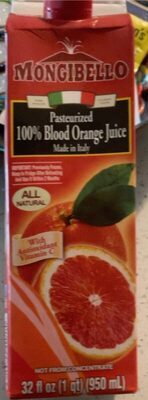
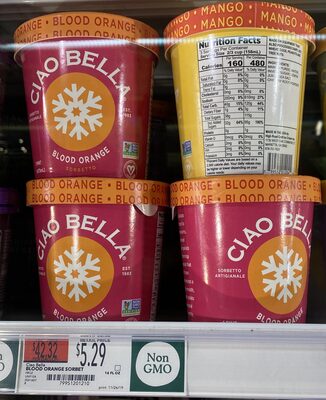

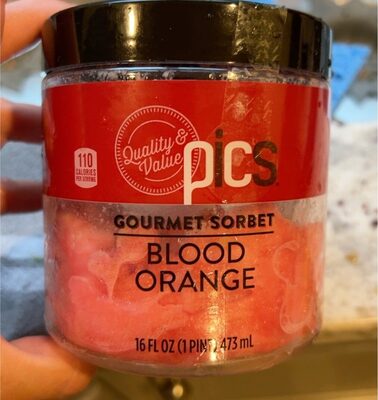




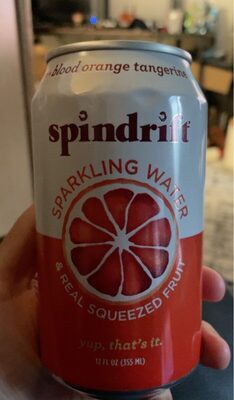


Auto-generated content. This description was generated automatically and is pending editorial review. Inaccuracies are possible. Found a mistake? Contact us.