Borettane Onions
What is Borettane Onions?
Borettane onions are a small, sweet variety of onion native to the Italian region of Emilia-Romagna. They are typically pickled or preserved in vinegar or oil, often with herbs and spices, to enhance their flavor and extend their shelf life.
Is Borettane Onions vegan?
Borettane Onions is not animal-derived. Products that contain it can still include other animal-derived ingredients, so check the full ingredient list.
Is Borettane Onions gluten-free?
They also do not contain gluten.
Is Borettane Onions a major allergen?
Not a major allergen.
What is Borettane Onions used for?
Borettane onions are primarily used to add a distinct sweet and tangy flavor to dishes.
Is Borettane Onions safe?
Borettane onions are generally recognized as safe (GRAS) by the FDA as a food ingredient.
Why it's used
Borettane onions are primarily used to add a distinct sweet and tangy flavor to dishes. They are commonly found in pickled vegetable mixes, antipasti platters, and as a garnish for meats and cheeses. Their firm texture holds up well during cooking and preservation processes.
Health notes
Borettane onions are generally recognized as safe (GRAS) by the FDA as a food ingredient. They are a vegetable and provide nutrients like vitamin C and fiber. Regulatory bodies like EFSA have not specifically evaluated Borettane onions as a distinct additive, but they are considered a safe food item when consumed as part of a balanced diet. No significant health concerns are associated with their typical consumption.
Allergen info
Not a major allergen. Borettane onions are not derived from any of the nine major allergens recognized by the FDA. They also do not contain gluten.
Foods that contain Borettane Onions
Compare products →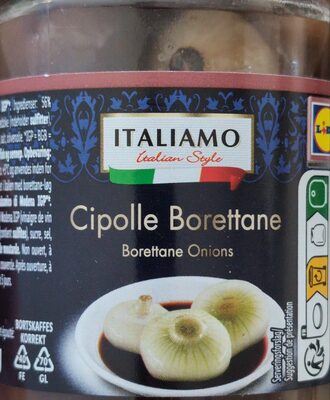 PREFERRED SELECTION
Pearl Onions In Balsamic Vinegar Of Modena Igp
54kcal
0Protein
0Fat
10.7Carbs
Golden Artist Colors, Inc.
Borettana Onions In Balsamic Vinegar
50kcal
2.5Protein
0Fat
10Carbs
Saor S.Rl.
Borettane Onions With Aceto Baqlsamico
83kcal
0Protein
4.2Fat
10Carbs
Agritalia S.R.L.
Borettane Onions
83kcal
0Protein
4.2Fat
10Carbs
PREFERRED SELECTION
Pearl Onions In Balsamic Vinegar Of Modena Igp
54kcal
0Protein
0Fat
10.7Carbs
Golden Artist Colors, Inc.
Borettana Onions In Balsamic Vinegar
50kcal
2.5Protein
0Fat
10Carbs
Saor S.Rl.
Borettane Onions With Aceto Baqlsamico
83kcal
0Protein
4.2Fat
10Carbs
Agritalia S.R.L.
Borettane Onions
83kcal
0Protein
4.2Fat
10Carbs
Auto-generated content. This description was generated automatically and is pending editorial review. Inaccuracies are possible. Found a mistake? Contact us.