Botanical Extracts
Auto-generated content. This description was generated automatically and is pending editorial review. Inaccuracies are possible. Found a mistake? Contact us.
What it is
Botanical extracts are concentrated compounds derived from plants. They are made by soaking plant parts like leaves, flowers, roots, or seeds in a solvent (such as water, alcohol, or oil) to pull out specific flavors, colors, or active compounds. The solvent is then removed, leaving a concentrated extract.
Why it's used
Manufacturers use botanical extracts to add natural flavors, colors, and sometimes functional properties to foods and beverages. They are often found in drinks, baked goods, confectionery, and savory products to provide a specific taste or aroma profile.
Health notes
Botanical extracts are generally recognized as safe (GRAS) by the FDA when used as flavoring agents. Regulatory bodies like the FDA and EFSA have reviewed many individual plant extracts, but a comprehensive evaluation of all botanical extracts as a single category is not typical. Health effects are usually tied to the specific plant and the compounds present; some may have antioxidant properties, while others could potentially interact with medications. Evidence for specific health benefits or risks is often plant-specific and requires more research.
Allergen info
Botanical extracts are not derived from the 9 FDA major allergens. Gluten is not typically present unless the extract was processed in a facility that also handles gluten-containing grains.
Products containing Botanical Extracts
Compare products →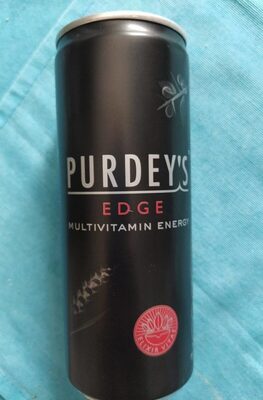 Purdeys Edge 250Ml Can
28kcal
0Protein
0Fat
—Carbs
Purdeys Edge 250Ml Can
28kcal
0Protein
0Fat
—Carbs
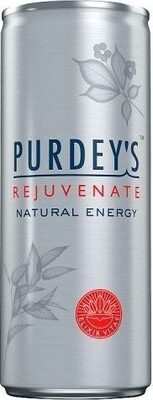 Purdeys Rejuvenate 250Ml Can
30kcal
0.5Protein
0Fat
—Carbs
Toufayan Bakery Inc
Pita Chips, Smoked Chipotle
464kcal
3.6Protein
10.7Fat
71.4Carbs
Purdeys Rejuvenate 250Ml Can
30kcal
0.5Protein
0Fat
—Carbs
Toufayan Bakery Inc
Pita Chips, Smoked Chipotle
464kcal
3.6Protein
10.7Fat
71.4Carbs
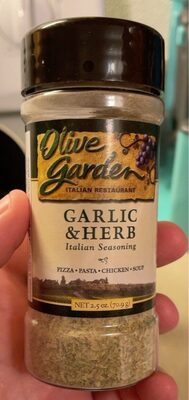 Badia Spices Inc.
Garlic & Herb Italian Seasoning, Garlic &Herb
0kcal
0Protein
0Fat
0Carbs
Bradford Oyster & Seafood Company, Inc.
Chocolate Stout Flavored Donuts, Chocolate Stout
High in saturated fat — 25% DV per serving
High in added sugars — 36% DV per serving
421kcal
5.3Protein
21.1Fat
54.4Carbs
Wilderton, LLC
Earthen Botanical Distillate
0kcal
0Protein
0Fat
0Carbs
Corsa Co LLC
Cays Botanical Tonic, Cays
11kcal
0Protein
0Fat
2.8Carbs
Badia Spices Inc.
Garlic & Herb Italian Seasoning, Garlic &Herb
0kcal
0Protein
0Fat
0Carbs
Bradford Oyster & Seafood Company, Inc.
Chocolate Stout Flavored Donuts, Chocolate Stout
High in saturated fat — 25% DV per serving
High in added sugars — 36% DV per serving
421kcal
5.3Protein
21.1Fat
54.4Carbs
Wilderton, LLC
Earthen Botanical Distillate
0kcal
0Protein
0Fat
0Carbs
Corsa Co LLC
Cays Botanical Tonic, Cays
11kcal
0Protein
0Fat
2.8Carbs
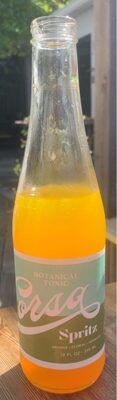 Corsa Co LLC
Spritz Botanical Tonic, Spritz
11kcal
0Protein
0Fat
2.8Carbs
Corsa Co LLC
Spritz Botanical Tonic, Spritz
11kcal
0Protein
0Fat
2.8Carbs
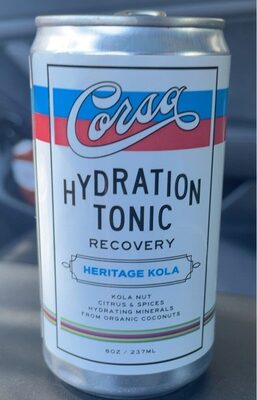 Corsa Co LLC
Heritage Kola Sparkling Hydration Tonic, Heritage Kola
High in added sugars — 22% DV per serving
25kcal
0Protein
0Fat
6.3Carbs
Corsa Co LLC
Ginger Hibiscus Sparkling Hydration Tonic, Ginger Hibiscus
High in added sugars — 22% DV per serving
25kcal
0Protein
0Fat
6.3Carbs
Corsa Co LLC
Heritage Kola Sparkling Hydration Tonic, Heritage Kola
High in added sugars — 22% DV per serving
25kcal
0Protein
0Fat
6.3Carbs
Corsa Co LLC
Ginger Hibiscus Sparkling Hydration Tonic, Ginger Hibiscus
High in added sugars — 22% DV per serving
25kcal
0Protein
0Fat
6.3Carbs